

Advantages of Single Tooth Replacement Treatment Methods
Content Guide
Methods Used in Tooth Loss Treatment Frequently Asked Questions About Tooth Loss TreatmentSingle tooth replacement treatment can vary depending on the needs and condition of the patient with tooth loss. The approach differs for each patient. Methods such as prosthetics and implants are used to address problems caused by tooth loss.
What is Single Tooth Loss
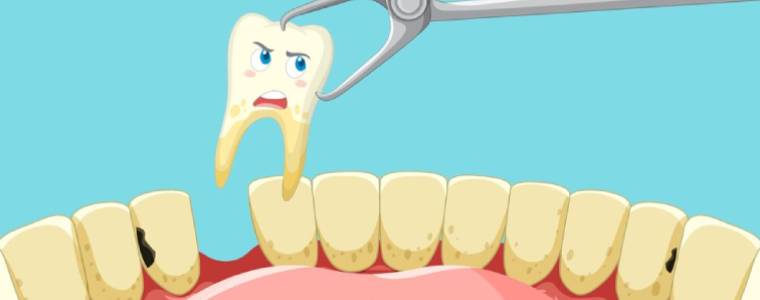
Single tooth loss refers to the absence of a single tooth. This loss can result from natural causes (such as tooth decay, disease, trauma).
The absence of a single tooth can lead to gum deterioration, bone loss in the area of the missing tooth, and cause misalignment of other teeth. Treatment of single tooth loss is very important.
What Are the Causes of Single Tooth Loss
Single tooth loss can occur due to many reasons. Some of these reasons include:
- Tooth decay: Continuous consumption of excessively sugary and acidic foods causes harmful bacteria to grow on teeth and leads to tooth decay. Tooth loss occurs due to tooth decay.
- Poor dental hygiene: Inadequate oral hygiene exposes teeth to harmful bacteria, leading to tooth decay and tooth loss.
- Trauma: Injuries to the mouth and teeth can cause tooth loss.
- Poor nutrition: Vitamin and mineral deficiencies cause teeth to remain weak and more susceptible to decay.
- Genetic factors: Genetic factors affect an individual's tooth structure and durability.
- Diseases: Dental and gum diseases (such as periodontitis) can cause tooth loss.
- Aging: As we age, tooth structure weakens, and tooth loss occurs.
Problems That May Occur with Single Tooth Loss
Some of the problems that may occur with single tooth loss include:
- Impaired tooth function: The absence of a single tooth can impair the function of teeth and damage other teeth.
- Deformation of tooth shape: The shape and position of the teeth surrounding the missing tooth may change over time. Teeth may shift.
- Impaired dental aesthetics: A missing tooth can impair visual appearance.
- Gum diseases: The absence of a single tooth can lead to gum diseases.
- Jaw problems: Chewing becomes difficult due to the absence of a single tooth. Not being able to chew properly creates problems in the jawbone, and while pain is observed, the jaw joints may become locked.
These problems can increase over time; to prevent this, single tooth loss must be treated.
Single Tooth Loss Treatment Options
1. Dental Bridge Treatment for Single Tooth Loss
Dental bridge treatment for single tooth loss places a bridge tooth on the missing tooth root and provides support from neighboring teeth. The problem is resolved through support from the tooth adjacent to the missing tooth. Bridge treatment is a frequently preferred method for tooth loss.
Bridge treatment improves tooth function and appearance. It prevents the formation of gum diseases. Dental bridge treatment for single tooth loss should be performed by a specialist dentist and may consist of several stages.
The treatment process and cost can vary depending on the patient's dental structure, the degree of tooth loss, and the position of the missing tooth.
Advantages of dental bridge treatment for single tooth loss:
- Bridge treatment doesn't take very long.
- Bridge treatment provides aesthetic appearance.
- Bridge teeth are practical.
2. Palatal Prosthesis Treatment for Single Tooth Loss
In palatal prosthesis treatment for single tooth loss, the palatal prosthesis replaces the missing tooth. This prosthesis is located in the gum or under the tongue. The palatal prosthesis preserves tooth function and dental aesthetics and prevents the formation of gum diseases. It is specially designed by a dentist.
A palatal prosthesis is a cheaper and shorter treatment option than other treatments such as dental implants or dental bridges, but it is less durable and needs to be replaced more frequently. It should be renewed approximately every 5 years.
Advantages of palatal prosthesis treatment for single tooth loss:
- Palatal prosthesis treatment positively affects speech.
- Palatal prosthesis treatment facilitates the chewing process.
- Palatal prosthesis positively affects facial appearance.
3. Dental Implant Treatment for Single Tooth Loss
Body screws are placed where the lost tooth was, and after these screws completely fuse with the bone, a special dental prosthesis is attached. The desired number of implants are placed to fit the tooth gap.
In implant treatment, the aim is to regain the aesthetics and functionality of the lost tooth. Implant treatment can offer more long-lasting, durable, and reliable results compared to other treatment options.
This procedure improves tooth function and appearance. It prevents the formation of gum diseases as much as possible. Today's implant treatment is quite advanced.
This procedure may consist of several stages. The procedure should be performed by a specialist dentist.
The treatment process and cost can vary depending on the patient's dental structure, the degree of tooth loss, and the position of the missing tooth.
Advantages of dental implant treatment for single tooth loss:
- Implant treatment does not affect other teeth.
- Implant treatment does not cause decay.
- With implant treatment, there is less chance of gum diseases occurring.
If you are considering getting an implant, you can check our article "What is an Implant? How is an Implant Done?"