Dental İmplant
Content Guide
What is a Dental Implant and How is it Applied? What is Bridge Treatment and its Application Process Advantages of Dental Implants and Bridge Treatment Key Differences Between Dental Implants and Bridges When Should Dental Implants be Preferred? Treatment Choice: Dental Implant or Bridge? Frequently Asked QuestionsImplant and bridge treatments are popular ways to fill in missing teeth for those who have experienced tooth loss. Dental implants are performed with artificial roots placed in the jawbone, while bridge treatment is a prosthetic tooth that uses adjacent teeth for support. Both methods have different advantages and application processes. While implants offer a long-lasting and healthy solution, bridges are generally completed in a shorter time. In this article, we will examine in detail the advantages of both treatment methods, their application methods, and in which cases which treatment should be preferred.
What is a Dental Implant and How is it Applied?
Dental implant is an artificial tooth root made of titanium that is placed in place of missing teeth and directly integrated into the jawbone. This procedure restores the function and aesthetics of the jaw, providing a natural appearance to the person's facial structure. The application of dental implants offers a permanent solution as the titanium material mimics the functions of the natural tooth root, integrating with the jawbone.
The process of applying dental implants begins with evaluating the patient's current dental health. In suitable patients, the implant is placed into the jawbone under local anesthesia. During this procedure, a screw, usually made of titanium, is placed where the root of the missing tooth was, and some time is waited for the area to heal, during which the bone surrounds and secures the implant. Then, following the healing process, a prosthetic tooth (crown) is placed on top, thus achieving both a functional and aesthetic result.
Dental implants and their application process both enhance the comfort of daily life and help maintain oral health in the long term; therefore, it is a preferred method for individuals with missing teeth, especially when deemed appropriate. The maintenance of implants, like natural teeth, is necessary and requires regular oral hygiene and dental check-ups, but with proper application and care, they offer durability for years.
What is Bridge Treatment and its Application Process
Bridge treatment is a method applied in dentistry to replace lost teeth. Generally, in case of one or more missing teeth, healthy teeth adjacent to this gap are used as support points for the bridge structure. Artificial teeth placed on these healthy teeth replace the missing teeth, providing functional and aesthetic integrity.
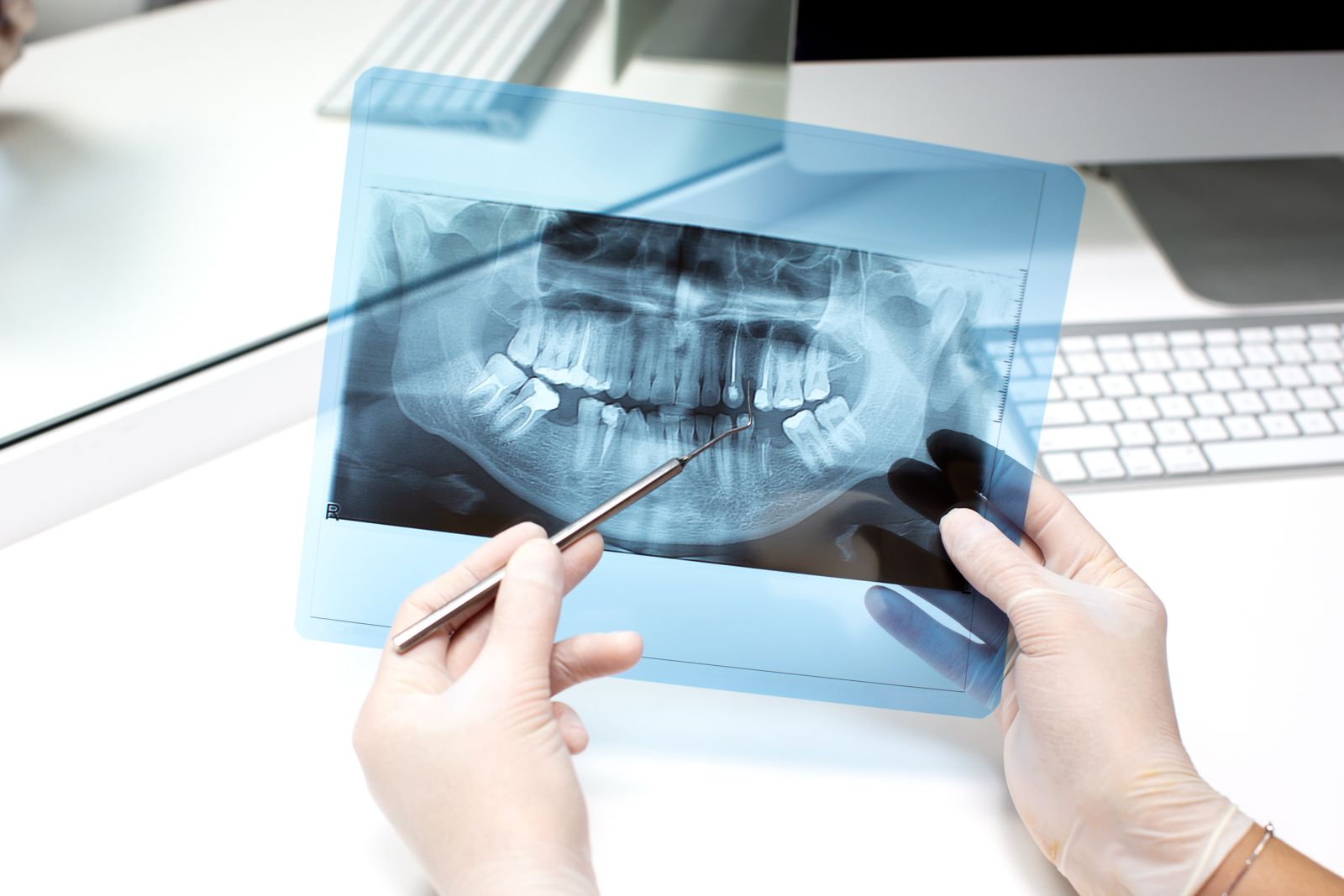
As for the application process, first, the area of the missing tooth and the teeth that will support the bridge are evaluated in detail by the dentist. This assessment is usually carried out with digital dental scans, X-rays, and detailed examination. In the next step, the teeth that will support the bridge are shaped to accommodate the bridge. During this process, a very thin amount is sanded from the teeth to prepare space, and a temporary bridge is placed on top.
Finally, measurements are taken for the permanent bridge, and the bridge is prepared in the laboratory according to these measurements. The preparation of the bridge may cover different time periods depending on the material selection and technical details. When the permanent bridge is ready, it is properly placed in the patient's mouth by the dentist, and after final adjustments are made, the treatment is completed. Thanks to bridge treatment, patients can eat, speak functionally, and achieve the aesthetic appearance provided by natural teeth.
Advantages of Dental Implants and Bridge Treatment
Dental implant and bridge treatment are two popular methods used to solve missing tooth problems. Both treatment methods have their own unique advantages, and these advantages can be a reason for preference according to patients' needs. In this article, we will examine in detail the advantages of both treatment methods.
Dental implant is a treatment method performed with titanium screws placed in place of lost teeth. This method offers the closest alternative to natural tooth roots and provides a long-lasting solution. Since implants are placed directly into the jawbone, they integrate with the teeth and give a natural tooth feeling. Also, dental implants can be applied without damaging surrounding teeth because adjacent healthy teeth are not cut.
Bridge treatment, on the other hand, is a method applied by taking support from healthy teeth adjacent to missing teeth. This treatment is performed with prostheses placed on the teeth adjacent to the missing tooth area. Bridges can be a treatment option that can be completed in a shorter time and generally at a cost more affordable than dental implants. Bridge treatment also offers an aesthetic appearance and quickly restores functionality between teeth.
Key Differences Between Dental Implants and Bridges
Providing information about differences between dental implants and bridges can help patients in their decision-making process for the right treatment choice. The fundamental differences between the two treatment methods are based on structural features, application processes, and cost factors. First of all, a dental implant allows the mounting of an artificial tooth to the area with tooth deficiency with a titanium screw placed in the jawbone by a surgical procedure. In contrast, bridge treatment is a restoration process that takes support from teeth surrounding the missing tooth.
For bridge treatment to be applied, adjacent teeth need to be cut to support the bridge structure. This situation can be a faster and easier solution on the one hand, but on the other hand, it can cause damage to healthy teeth. Dental implants, on the other hand, provide direct placement of an implant in place of the lost tooth without damaging adjacent teeth, which allows the implant to be more stable and long-lasting regionally.
From another perspective, dental implant has the feature of preventing bone erosion by integrating with the jawbone, which helps the implant feel more natural and be more functional. However, implant treatment may require a more costly and time-consuming process compared to bridge treatment. Both treatment methods offer superior solutions in terms of aesthetics and function, but it is of great importance to choose the most suitable one in line with the patient's current condition, health history, and budget.
When Should Dental Implants be Preferred?
Dental implant is an artificial tooth root supported by titanium screws screwed into the jawbone, placed in place of lost teeth. This treatment method is quite effective in restoring functionality and natural tooth appearance. Among the main reasons for preferring dental implants are minimizing the effects of tooth loss on functionality and restoring the patient's self-confidence.
Especially for patients with advanced tooth loss, dental implant offers a solution that improves basic oral functions such as speech and chewing. The treatment also prevents shifts that may occur between teeth; because the implant is directly integrated into the jawbone and supports other teeth. Considering the differences between dental implants and bridges, it is seen that implants provide a long-lasting and durable solution.
Dental implant application is generally suitable for individuals who do not have gum infections, have sufficient jawbone density, and have good general health. Some conditions, such as smoking, can reduce the success chance of implant treatment; therefore, it is recommended to quit such habits before treatment. Patients also need to pay extra attention to oral hygiene following implant treatment.
Treatment Choice: Dental Implant or Bridge?
Many people who experience tooth loss evaluate dental implant or bridge treatment options to fill gaps and regain their functionality. When choosing between these two treatment methods, differences between dental implants and bridges should be understood, and the most suitable option should be preferred according to the person's own health status, budget, and expectations.
Dental implant is a titanium structure placed directly into the jaw in the form of a screw in place of the lost tooth. This treatment is long-lasting and gives the closest feeling to a natural tooth. The implant integrates with the jawbone, which helps preserve both tooth and jaw health. However, implant application requires a surgical procedure, and the treatment process can take several months.
In contrast, a bridge is a fixed prosthesis applied by connecting to intact adjacent teeth to fill the place of missing teeth. Bridge applications are generally completed in a shorter time and cost less than implants. However, adjacent teeth need to be abraded for bridge treatment, which can damage other healthy teeth.
- Dental implant is a long-lasting option that supports jaw health.
- Bridge offers a faster solution but requires intervention to adjacent teeth. Overall, which treatment method will be preferred depends on factors such as patient health, cost, time to be spent on treatment. It is important for patients to go through a detailed consultation process with a dentist before making this choice.
Frequently Asked Questions
What is bridge treatment?
Bridge treatment is a dental restoration method performed by placing artificial teeth on the surrounding teeth to close gaps in individuals with one or more missing teeth.
What is the fundamental difference between dental implant and bridge treatment?
Dental implant is placed directly into the jawbone, while bridge treatment covers these gaps by taking support from the teeth adjacent to the missing teeth.
What are the advantages of dental implant treatment?
Dental implants are long-lasting, give a natural tooth feeling, and do not damage surrounding teeth.
Who are ideal candidates for bridge treatment?
People who have good gum and jawbone health, but are missing one or more teeth and have surrounding teeth in good condition are suitable candidates for bridge treatment.
What are the disadvantages of dental implants?
Dental implants are generally more expensive, require surgery, and the healing process may take longer.
What are the disadvantages of bridge treatment?
During the bridge treatment process, some of the teeth supporting the bridge are filed down, which can lead to problems in these teeth over time.