

How Does Tooth Loss Affect Speech?
Content Guide
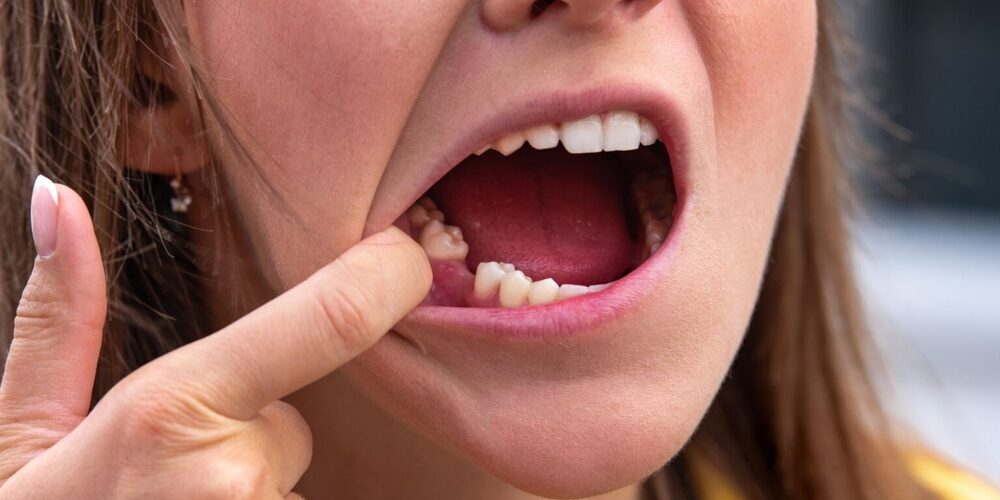
Does Tooth Loss Affect Pronunciation? Effects of Tooth Loss on Physical Health Psychological Effects of Tooth Loss How Is Tooth Loss Treated?Tooth loss can significantly affect speech ability. Teeth are crucial for coordinating tongue, lips, and jaw movements needed for correct pronunciation.
Gaps caused by missing teeth can lead to the tongue moving incorrectly and result in irregular speech. People who experience speech problems due to tooth loss may feel insecure and avoid speaking in social settings.
Teeth can be lost at different ages, but wisdom teeth, also known as third molars, are the most commonly missing in old age. These teeth often do not erupt properly due to lack of space and may cause various issues when they do.
Besides wisdom teeth, other teeth are also commonly missing—especially the second premolars, which are important for stabilizing other teeth in the mouth.
The loss of second premolars can lead to shifting teeth, jawbone loss, cavities, and gum disease.
Does Tooth Loss Affect Pronunciation?
Tooth loss can sometimes affect pronunciation. People with missing front teeth often struggle to pronounce certain sounds clearly.
Sounds like “f”, “v”, “s”, and “z” require the presence of front teeth to be articulated properly. Without them, speech may become unclear.
When a single missing tooth is treated, speech problems caused by the loss can often be corrected. Implants, bridges, dentures, and other restorative treatments can help regain speaking ability.
Effects of Tooth Loss on Physical Health
Tooth loss affects not only appearance but also overall health.
Some of the physical health impacts include:
- Digestive problems: Missing teeth can make chewing difficult, leading to poor digestion.
- Jaw issues: Missing teeth can cause the jawbone to deteriorate, leading to pain and structural problems.
- Cavities and gum disease: The gums around missing teeth may become damaged, leading to further oral health issues.
- Speech issues: Missing teeth affect speech and may lead to insecurity and social withdrawal.
- Headaches: Jaw pain from tooth loss may cause tension headaches due to nerve pressure.
- Overall health problems: Tooth loss can increase the risk of infections that may impact heart health, diabetes, and more.
Tooth loss should be treated as soon as possible to improve both health and quality of life.
Psychological Effects of Tooth Loss
Tooth loss can lead to significant self-confidence issues. Beyond affecting social life, it can also impact mental health.
When upper side teeth are missing, people may feel self-conscious, believing others are focusing on their teeth. Tooth loss increases aesthetic anxiety.
Psychological effects may include:
- Loss of self-confidence: People may feel embarrassed when smiling or speaking.
- Shyness and social isolation: People may avoid social interactions due to the appearance of their teeth.
- Depression: Feelings of helplessness and hopelessness may arise from low self-esteem.
- Anxiety: Concerns about appearance may worsen anxiety, especially in social settings.
- Work performance and career impact: Poor self-image and communication difficulties can affect job success.
Therefore, treating tooth loss improves both appearance and mental well-being, boosting overall quality of life.
Dentists can offer treatment options to help patients regain confidence and improve their social lives.
How Is Tooth Loss Treated?
Tooth loss treatment involves replacing or repairing missing teeth through several methods. The choice depends on the cause, location, health condition, and preferences.
Treatment options include:
- Dental implants: Titanium screws placed into the jaw, topped with porcelain crowns, offering long-lasting and natural-looking results.
Implants are more durable and realistic compared to other methods.
- Bridges: A dental bridge is placed on adjacent teeth to fill the gap of a missing tooth.
Bridges are more affordable than implants but less durable.
- Dentures: Removable appliances used to replace missing teeth.
Dentures are more economical than bridges but also less durable.
- Composite fillings: Used for small gaps or cracks, matched to the tooth color for a natural look.
- Combined treatments: Sometimes, a mix of methods (e.g., implant + bridge) is required.
Each method has its pros and cons. A dentist should determine the best option based on individual needs.
You can contact us for more information and appointments.