

Is Root Canal Treatment Safe During Pregnancy?
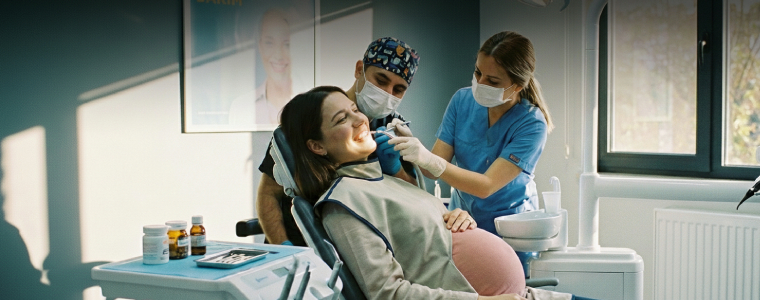
Table of Contents
Can Root Canal Treatment Be Performed During Pregnancy? Is Local Anesthesia Safe During Pregnancy? What Happens If Treatment Is Delayed? What Should Be Done for Toothache During Pregnancy?Pregnancy is a period of intense physical and emotional changes for expectant mothers. Hormonal shifts during this time can directly impact oral and dental health. Issues such as gum sensitivity, tooth decay, and inflammation are very common. So, is root canal treatment safe during pregnancy? Contrary to common misconceptions, most dental procedures, including root canal treatment, can be performed safely when done at the right time and with the proper techniques.
Why Does Tooth Pain Occur During Pregnancy?
The main causes of dental pain in pregnancy include:
- Increased hormone levels → Gum inflammation and bleeding
- Increased acid exposure → Enamel erosion due to nausea and vomiting
- Irregular eating habits and high sugar intake
- Disrupted oral hygiene routine
- Progression of existing untreated cavities
If left untreated, these issues can spread infection and adversely affect both mother and baby.
Can Root Canal Treatment Be Performed During Pregnancy?
Yes — root canal treatment is safe during pregnancy when performed in the appropriate trimester and with correct methods.
Root canal treatment removes infection from inside the tooth, eliminates pain, and saves the tooth from extraction. Preventing the spread of infection is especially critical during pregnancy.
The Safest Period:
- Second trimester (weeks 13–28)
By this stage, the baby’s major organ development is complete, and the mother can sit comfortably for longer procedures.
Is Local Anesthesia Safe During Pregnancy?
Yes. Most local anesthetics used in dentistry are safe for pregnant women when administered under professional supervision. Epinephrine-free or low-dose epinephrine anesthetics are preferred.
If X-rays are required, they can be taken safely with a lead apron and thyroid shield.
What Happens If Treatment Is Delayed?
Untreated dental infections can lead to serious complications, including:
- Severe, constant pain
- Jawbone infection (osteomyelitis)
- Systemic infection spreading throughout the body
- Poor nutrition and sleep disturbances
- Increased risk of preterm birth
Therefore, thinking “I’m pregnant, I can’t get treatment” is both incorrect and potentially dangerous.
What Should Be Done for Toothache During Pregnancy?
Expectant mothers can take the following steps:
- Regular dental check-ups
- Professional fluoride applications
- Use a soft-bristled toothbrush and pregnancy-safe toothpaste
- Avoid sugary and acidic foods/drinks
- Rinse with warm salt water
Any painkillers or antibiotics must be prescribed in coordination between your obstetrician and dentist.
Conclusion: Root Canal Treatment During Pregnancy Is Safe with the Right Approach
Dental pain during pregnancy can affect both maternal and fetal health. When performed at the right time using proper techniques, root canal treatment is not only safe — it is often necessary.