

Things to Consider After Dental Implant Screw Placement
Content Guide
What is an Implant Screw How is Implant Treatment Performed What to Consider After Implant Placement Frequently Asked Questions About Implant TreatmentAn implant is an artificial device or prosthesis placed in the body and is done with an implant screw. Medically, an implant is used to replace a part of the body or an organ that has been rendered non-functional due to disease or injury.
For example, while heart patients may have a pacemaker implanted, people experiencing bone loss can have dental implants installed. Implants can also be used in many different forms such as prosthetic limbs, hip or knee replacements, breast implants, ear prostheses, hair prostheses, and many other medical devices.
Implants are usually placed with a surgical procedure. This procedure can be performed under local or general anesthesia. The implant is designed to integrate with the body's natural tissues or bones and is often designed for long-term use. The implant screw is placed first, and after the screw adapts to the mouth, the second procedure takes place.
Implants have many advantages, especially in improving quality of life when replacing a non-functional or damaged organ. However, they also have some risks, particularly surgical procedures and risk of infection. Therefore, it is always recommended to be done by a specialist doctor or surgeon.
What is an Implant Screw
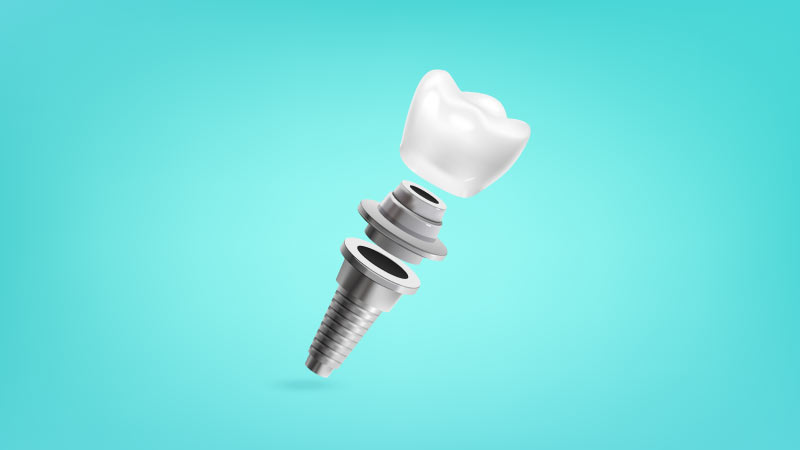
Implant screws are medical devices typically consisting of titanium screws placed into the bone structure. These screws are used in various medical devices such as dental implants, orthopedic implants, and similar implants.
Screws are used in implants that need to have a fixed structure, such as dental implants. These screws are placed into the jawbone to replace the tooth root and are used to secure dental prostheses, bridges, or partial dentures.
Screws are typically made of titanium because this material is compatible with the human body, strong, and durable. Besides being titanium, implants are available in various sizes and shapes and are placed through a surgical procedure.
Implant screws adhere to the bone structure to provide stability for the implant and help the implant last a long time. However, there are some risks when placing implant screws, especially risks such as surgical procedures, infection, and screw failure. Therefore, it is always recommended to be done by a specialist dentist or orthopedic surgeon.
How is Implant Treatment Performed
Implant treatment is a five-stage process. It is possible to treat teeth that can no longer be strengthened with fillings through implant treatment. First, the screw set is placed, and after a considerable time, the second stage is performed to complete the treatment.
The first stage, placing the implant screw, is a difficult procedure. The implant screw is placed into the bone tissue with a special surgical procedure. The procedure generally consists of the following steps:
- Anesthesia: First, the dentist applies local anesthesia to the area where the implant screw will be placed. This ensures you don't feel pain or discomfort.
- Incision: The dentist makes an incision in the area where the implant screw will be placed. This incision exposes the area where the implant head will be placed.
- Drilling: Then, the dentist uses a special drill to make a hole in the bone tissue. This hole prepares the area where the screw will be placed.
- Screw placement: The implant head is placed into the hole using a special tool. The area where the screw is placed is tightly closed.
- Healing process: A healing process is necessary for the implant head to fuse with the bone tissue. This process can usually take several months. When the implant screw fuses with the bone tissue, the other stages of implant treatment begin.
Although the placement of the implant head is a surgical procedure, it is usually painless. Your dentist can provide more detailed information about implant treatment and create an appropriate treatment plan for you.
What to Consider After Implant Placement
There are some issues to consider for the fusion of the implant head after the screw is placed following implant treatment. After the implant head is placed, it is important to pay attention to the following points:
- Healing process: After the implant screw is placed, a healing process is required for it to fuse with the bone tissue. This process usually takes 3 to 6 months, and it is important to follow the dentist's recommendations during this time.
- Oral hygiene: The implant head is also important for oral hygiene, like other dental procedures such as gums and teeth. Good oral hygiene is necessary for the longevity of the implant. Implant care should be done with routine oral care practices such as brushing teeth, using dental floss, and using mouthwash—in short, attention should be paid to oral and dental health.
- Food choice: After the implant head is placed, you may need to change your eating habits. Hard, sticky, and difficult-to-chew foods are on the list of foods that should not be eaten. They can damage your implant and prolong the healing process. Instead, soft and easy-to-chew foods should be preferred.
- Smoking: Smoking after the implant head is placed can negatively affect the healing process and increase the risk of implant failure. Therefore, smokers are advised to avoid smoking as much as possible.
- Dentist visits: After the implant screw is placed, regular dental check-ups and care are important. Your dentist will monitor the condition and health of your implant and will recommend treatment if they detect any problems.
- Avoiding impact: Especially people who play sports need to be careful not to receive impacts to the jaw area. Impacts can sometimes cause the screws to break.
In summary, after the implant head is placed, you need to pay attention to factors such as following your dentist's recommendations, good oral hygiene, proper nutrition, and not smoking. This way, the health and longevity of your implant will be maintained. If the above are not observed, there is a possibility that the screws may break.
Frequently Asked Questions About Implant Treatment
Since implant treatment is a five-stage and sensitive surgical intervention, patients have many implant questions in mind. Necessary information should be given to the patient before the treatment is performed. Below, all the questions you need or may need about implant treatment will be answered.
What Should Not Be Eaten After Implant Surgery
After the implant screw is placed, the patient may need to make changes to their daily regimen. Patients with implant heads should pay attention to certain foods during the treatment process. Foods and drinks that should not be consumed after implant surgery are:
- Hot and spicy foods
- Alcohol and cigarettes
- Hard and raw foods
- Acidic drinks
- Extremely hot or cold foods
- Trying to open heavy and hard objects with your teeth.
In general, try to eat soft and easy-to-chew foods after implant surgery. This can speed up the healing process and reduce pain. Also, take care to follow your doctor's recommendations.
How Long Does It Take to Heal After Implant Surgery
The full healing time after implant surgery can vary from person to person and depends on many factors. Factors such as the size of the area where the implant is placed, how complex the surgery is, the patient's general health condition, and lifestyle can affect the length of the healing process.
The full healing time can usually vary between 3 and 6 months, depending on the size and complexity of the area where the implant is placed. The adaptation of the implant screw to the bone is an important determinant in this regard.
How Many Hours After Implant Placement Can You Eat
Because there is a risk of bleeding in the mouth after the implant screw is placed, nothing is eaten for several hours after surgery. Soft and easy-to-chew foods should be preferred in the first days. You can get more detailed instructions about eating and drinking according to your doctor's recommendations.
At What Age Can Implant Treatment Be Done
Implant treatment is usually done after bone development is complete, that is, after adolescence. Generally, it is recommended that implant candidates be at least 18 years old, but each patient is different, and your doctor can help you determine the most appropriate time. In some special cases, implant treatment can also be applied before adolescence.
Follow the IGU Dental Hospital blog for similar content!
Fill out the form to make an appointment right away!