

What is Periodontology? What is Periodontal Treatment?
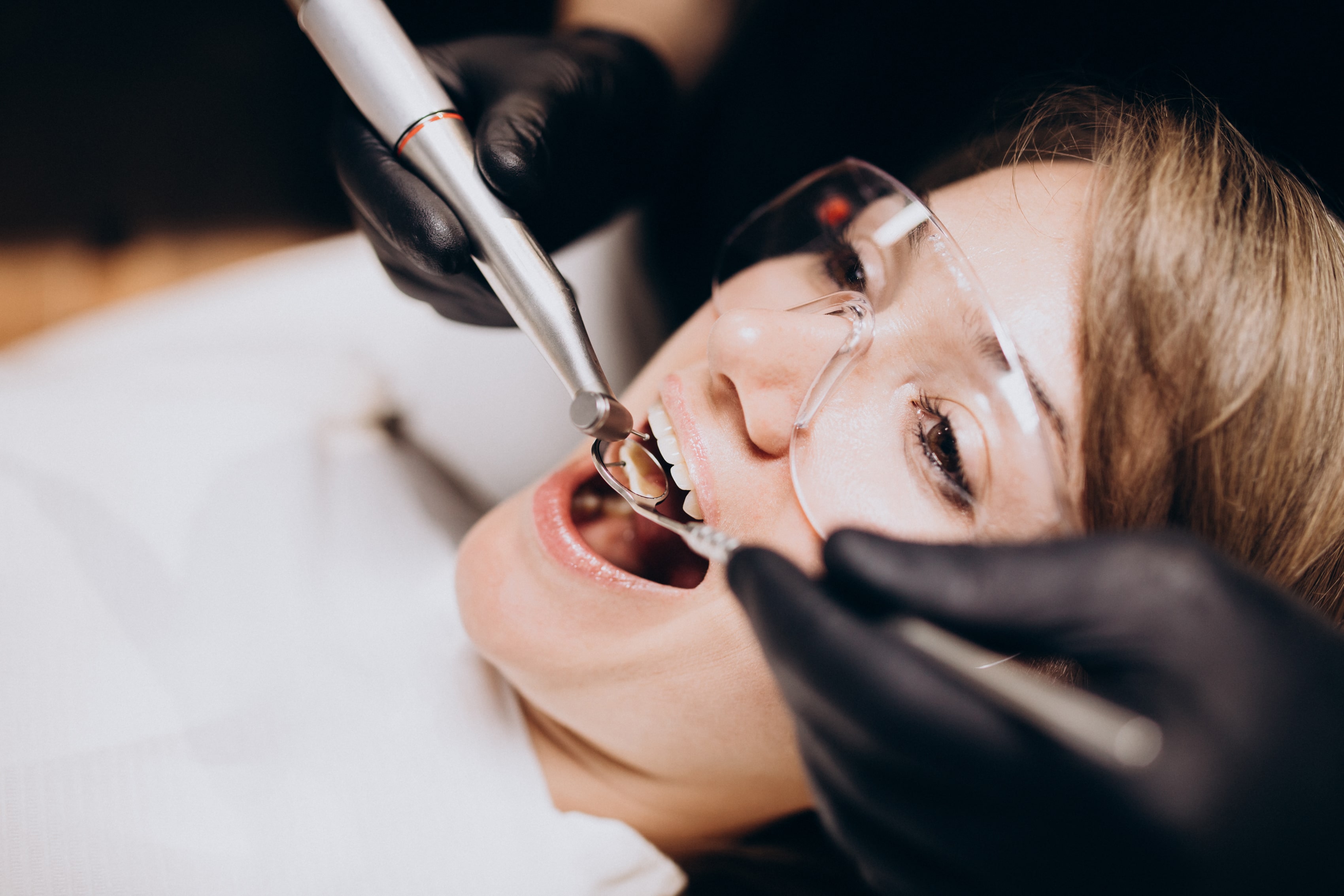
Content Guide
What is the Field of Periodontology? What are Periodontal Problems? How are Periodontal Diseases Detected? How Necessary are Periodontal Treatments? Types of Periodontal Treatment How is Periodontal Treatment Performed? What to Consider Before and During TreatmentIn today's article, we will answer questions such as ''What is Periodontology, what is periodontal treatment, what are the areas of interest in periodontology and how is disease diagnosis made?'' Let's first learn what the field of periodontology is.
Periodontology is the branch of dentistry that examines the hard and soft tissues that surround and support the teeth, diagnoses and treats diseases affecting these tissues, and aims to maintain the continuity of health gained during the process.
In more technical terms, periodontology is the branch of dentistry that deals with the structure of soft (periodontal ligament, gums) and hard tissues (bone, cementum) surrounding the teeth, the problems occurring in these tissues, and the diagnosis and treatment of these problems.
Teeth are not directly attached to the bone called the alveolar ridge in which they are located. Between the teeth and the bone, there is a tissue consisting of fibers that we call the periodontal ligament. The periodontal ligament takes on the task of transferring the force on the teeth to the jawbone in a cushioned manner.
Above these described structures is the gum, and diseases affecting the gum fall within the field of periodontology. In short, it is a specialized field of dentistry that requires expertise, like orthodontics and similar areas.
What is the Field of Periodontology?
The areas of interest in periodontology include gum diseases that can be seen in the clinic in the simplest form as often swelling of the root surface, bleeding in the gums, swelling, sensitivity, red appearance, as well as mobile gums separating from teeth, inflammatory discharge from the gum pocket around the teeth, loose/displaced teeth, widespread gum recession, and advanced clinical conditions accompanied by persistent bad breath.
What are Periodontal Problems?
Periodontology focuses on diseases that occur due to problems in the gums. One of the prominent symptoms in many patients is bad breath. Many diseases that disrupt oral hygiene and gum structure are actually diseases that fall within the field of periodontology.
There are stages of gum diseases with names such as Periodontitis and Gingivitis. At these stages, it is not possible for the patient to take preventive measures. In this case, the patient should definitely be examined by expert dentists at a dental hospital, and the treatment process should be started.
How are Periodontal Diseases Detected?
Periodontal diseases have many findings. In addition to easily noticeable symptoms such as bad breath or bleeding, different symptoms may also be indicators of a periodontal disorder. Let's look at these points in detail.
- Gums that bleed during tooth brushing.
- Excessive bleeding when using dental floss.
- Red, swollen, and sensitive gums.
- Gums that easily separate from teeth.
- Inflammatory discharge between teeth and gums.
- Loose teeth or teeth that are gradually moving apart from each other (formation of spaces between teeth or widening of existing spaces)
- Changes in the relationship between upper and lower teeth during biting
- Deterioration in the fit of partial dentures.
- Persistent bad breath.However, periodontal disease can also progress to advanced stages without any symptoms. Therefore, it is extremely important to visit the dentist regularly.
How Necessary are Periodontal Treatments?
When these diseases are not treated, they can result in the loss of a tooth/teeth. For this reason, periodontological problems can be serious problems, and periodontal treatment is a serious matter.
It has been shown in studies in the literature and is still being researched that gum diseases have a bidirectional relationship with diseases such as diabetes, cardiovascular diseases, Alzheimer's, which negatively affect our general health and quality of life, and even the course of COVID-19.
The prevention and treatment of gum diseases have a positive contribution to general health, in addition to oral health and the continuity of the chewing function.
70% of tooth loss in adults is due to periodontal diseases. We know that teeth can be lost in the treatment of periodontal dental diseases. For these reasons, periodontal diseases are diseases that need attention, and their treatments are also very important.
Types of Periodontal Treatment
Periodontology treatment, called periodontal treatment, includes surgical and non-surgical treatments of gum diseases. Non-surgical treatments mainly include; tooth surface cleaning, root surface planing, subgingival curettage, and debridement procedures.
Periodontal surgical treatments include treatments such as surgical applications to treat losses in supporting tissues (regenerative periodontal surgeries, bone grafts, membrane applications), surgical treatment of gum recessions (plastic periodontal surgeries), surgical treatment of gum enlargements (gingivectomy and gingivoplasty), implant applications, and applications of all periodontal surgeries that include the treatment of peri-implant diseases.
Laser-assisted treatments are also used when necessary to control inflammatory response and to support bleeding control and wound healing during surgical procedures.
How is Periodontal Treatment Performed?
In all treatments performed in the field of periodontology, the priority should be to improve the patient's oral care and correct faulty oral care habits. You can learn what you can do in this regard in the subheadings. The aim of treatment is to remove and control the biofilm that causes the disease.
Following the clinical and radiological evaluation of the patient, the initial periodontal treatments planned by the specialist physician are followed by surgical applications deemed appropriate by the physician or the maintenance process.
The continuity of follow-ups after the treatments and not compromising on oral care are indispensable rules for treatment success. After this step, it is controlled by the dentist and patient meeting regularly and doing their part.
What to Consider Before and During Treatment
Before and during the periodontal treatment process, it is important to use a toothbrush, depending on hygiene. This way, you can be protected from problems such as tartar that have occurred or may occur. For your oral and dental health, you need to pay attention to the care of your natural teeth.
We know that if periodontal problems are not treated, they lead to tooth loss. While it is important to keep the spaces between teeth clean, the formation of spaces between teeth due to excessive brushing is also a serious problem. After the examination with your dentist, you need to continue your treatment without interruption in light of what has been obtained.
To avoid gum problems, attention should be paid to factors such as smoking, stress, teeth grinding, poor nutrition, excessive medication use, teeth clenching, poorly made fillings. These not only invite periodontal diseases but can also directly cause the disease.
In this article, we answered the questions ''What is Periodontology, what does periodontology deal with, what are its treatment methods, and what should we pay attention to?'' Don't forget to check out our other articles for similar content and to contact us to start treatment! We wish you healthy days.