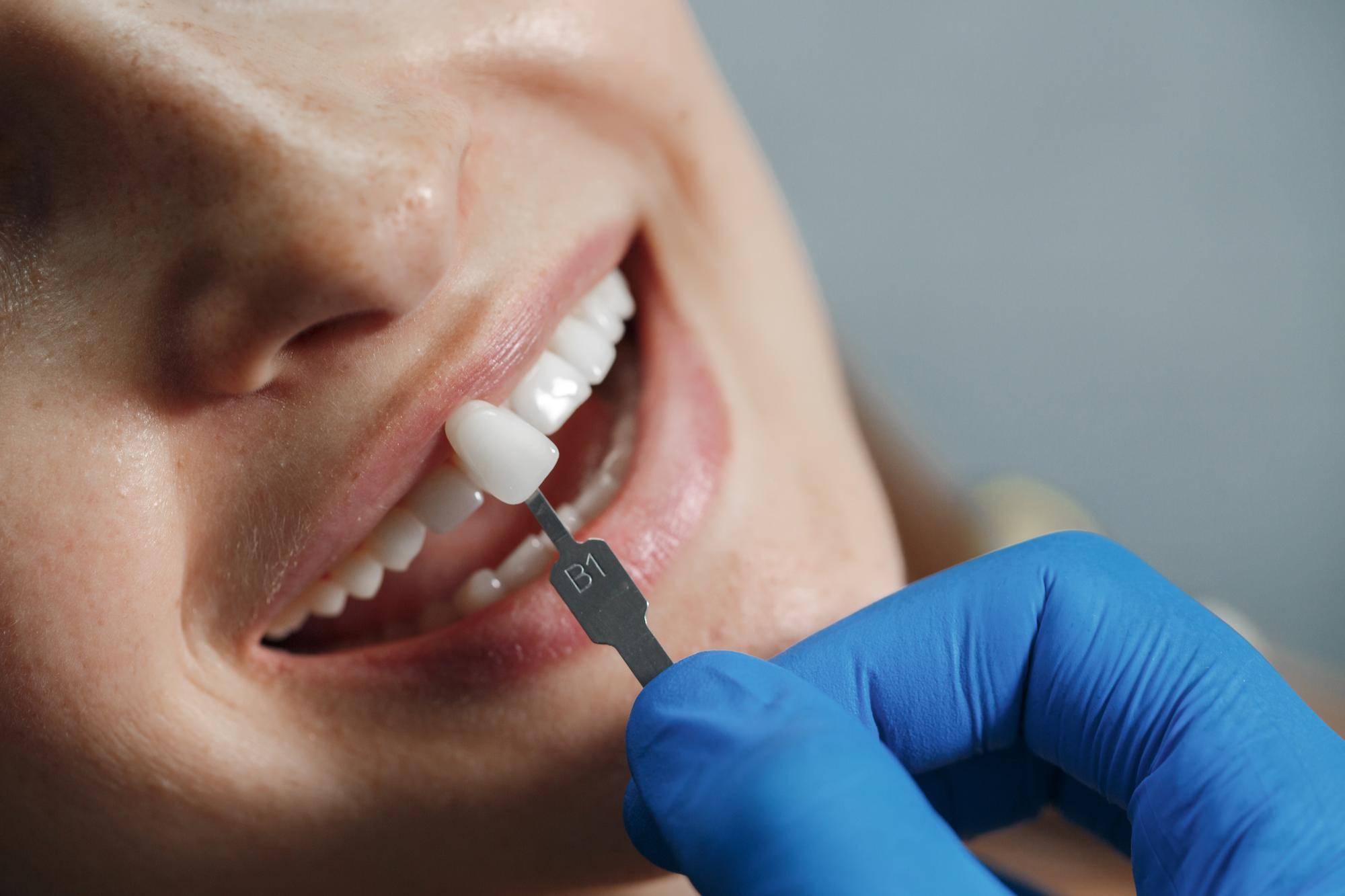
Dental veneer is a dental procedure applied for aesthetic and functional improvement of teeth. In this article, you will find answers to questions such as what dental veneers are, what types are available, and how they are applied. Additionally, every stage of the dental veneer process is explained in detail, along with factors affecting dental veneer prices and the advantages and disadvantages of this method. Information is particularly provided on when dental veneers are needed and what options are available for patients. This will be a useful resource for anyone seeking comprehensive information on dental health and aesthetics.
What is Dental Veneer? Basic Definition and Importance
Dental veneers are prosthetics typically made from materials such as porcelain or zirconium that cover teeth for aesthetic or functional reasons. The aim is to improve the appearance of damaged or decayed teeth and increase the functionality of teeth.
Dental veneers are preferred for one or more teeth for various reasons. These include tooth fractures, excessive decay, or aesthetic problems such as irregularities in tooth color. With dental veneers, these problems can be resolved, and teeth can attain a healthier structure.
The importance of dental veneers lies not only in making aesthetic corrections but also in being a treatment method that allows teeth to remain healthy for longer. Veneers also play a role in preventing gum diseases by preventing further damage to teeth and preventing possible tooth loss.
Types of Dental Veneers: Know Your Options
Dental veneer is a common dental practice to repair damaged teeth or those with impaired aesthetic appearance. This method can improve your teeth both functionally and aesthetically. However, the type of dental veneer to be preferred varies according to a person's dental structure, aesthetic expectations, and budget.
Porcelain veneers are one of the most frequently preferred types of veneers as they provide results closest to natural tooth color. These veneers also offer a very realistic appearance as they reflect light like natural teeth. Zirconium veneers, on the other hand, have a more transparent appearance since they are not metal-supported and are especially preferred for front teeth. They stand out with their durability and aesthetic stance. They are also an ideal choice for people with metal allergies.
Composite veneers can be applied in a shorter time compared to other types of veneers as a cost-effective alternative. While they can be improved in terms of color matching, it should be noted that this type of veneers is less resistant to wear and cracking. In choosing dental veneers, it is important to evaluate these different materials and features with a good dentist.
Dental Veneer Process: Step by Step Impression
Each stage of the dental veneer treatment process is carefully managed by an expert dentist and meticulously applied to obtain the most suitable results for the patient.
The first stage begins with a detailed assessment of the current condition of the patient's teeth. During this assessment, dental X-rays are taken, and wear on the chewing surfaces of the teeth, gum health, and the condition of any existing dental veneers are examined. The suitability for dental veneers is determined at this stage, and the treatment plan is shaped accordingly.
The stage of preparing the teeth involves removing some enamel from the teeth according to the chosen dental veneer type. This process is necessary to ensure that the veneer fits perfectly on the teeth. After the preparation procedures, measurements of the teeth are taken, and the dental veneers are prepared based on these measurements and applied to the patient's teeth. This process may vary depending on the materials used and the type of veneer.
Dental Veneer Prices: What Affects Them?
Dental veneer procedures are a quite popular dental treatment method that many people resort to due to aesthetic or health needs. Dental veneer prices vary according to the quality of the service and the materials used. Understanding the factors that affect prices is important for people's budget planning.
The first factor affecting dental veneer prices is the type of material used. Different veneer materials such as porcelain, zirconium, and composite have varying cost scales. For example, zirconium dental veneers generally have higher prices as they are more durable and aesthetic compared to porcelains. Additionally, the quality of the material used is another factor directly affecting prices, and higher quality materials are generally more costly.
Another important factor affecting dental veneer prices is factors such as the experience of the dentist performing the treatment and the location of the clinic where the application is made. Central clinics in large cities may generally demand higher prices compared to clinics in surrounding cities or towns. At the same time, a specialized dentist may demand higher fees compared to general practitioners. For this reason, it is recommended that individuals evaluate both the cost and the quality of the service to be received in a balanced way when making the most suitable choices for their dental health and aesthetic needs.
Advantages and Disadvantages of Dental Veneers
Veneers made with different materials and techniques in dental veneer application offer an effective solution for correcting shape, color, and arrangement irregularities in teeth. However, as with any medical procedure, dental veneers also have advantages and disadvantages.
Among the advantages of dental veneers, the most prominent is aesthetic improvement. Dental veneers, which are especially preferred for broken, cracked, or discolored teeth, provide you with whiter and more regular teeth. Also, they can prevent further dental health problems by covering dental problems such as decay and wear. Along with these advantages, dental veneer application is an important factor that can increase self-confidence and positively affect social life.
On the other hand, there are also some disadvantages to the dental veneer process. First, dental veneer procedures can be costly, and most dental insurances may not cover procedures done for aesthetic purposes. The duration of treatment may vary depending on the type of material used and the scope of the procedure, sometimes it may take a long time and may require multiple dentist visits. Also, care should be taken in the maintenance of dental veneers; if not regularly brushed and flossed, they can cause gum diseases.
When Should Dental Veneers Be Preferred?
Various situations may require individuals to prefer dental veneers. This process is quite effective for correcting deteriorations in the appearance of teeth and improving oral health. First, broken or cracked teeth are among the most common situations where dental veneers are applied. Such physical damage weakens the structure of the tooth and can lead to more serious problems in the future.
Secondly, dental veneers can also be a solution for teeth that have experienced excessive color change. Over time, teeth can take on unwanted colors, especially when consuming foods with high pigmentation rates such as coffee and tea, or when regular dental care is not maintained. In cases of severe color changes where results cannot be obtained with teeth whitening methods, veneers ensure that teeth gain an aesthetic appearance.
A third situation is excessive wear on teeth. Dental veneers that can perform the same functions as normal teeth can replace worn teeth and give their users a natural tooth sensation. Tooth erosion, genetic factors, or incorrect dental care habits can cause early wear of teeth. Veneers are used to correct such situations and ensure that teeth can continue their normal functions.
Frequently Asked Questions
What are dental veneers and what are they used for?
Dental veneer is a dental procedure applied to teeth that have been damaged for various reasons or are desired to be aesthetically improved. It is used to improve functionality and aesthetics.
How long does the dental veneer process take?
The dental veneer process is generally a process that requires two or three visits. In the first visit, teeth preparation and taking impressions are performed, and in the second visit, the veneer is placed.
Is getting dental veneers a painful procedure?
Dental veneer is not a painful procedure as it is generally performed under local anesthesia. There may be mild pain or sensitivity for a few days after the procedure, but this is generally manageable.
How long do dental veneers last?
The lifespan of dental veneers can vary depending on a person's oral health and the care of the veneers. When well cared for, they can last 5 to 15 years or more.
What are the types of dental veneers?
The most common types of dental veneers are porcelain, composite, and ceramic veneers. These materials are preferred because they can mimic the appearance of natural teeth and are long-lasting.
What are the advantages of getting dental veneers?
Dental veneers provide a healthier and more aesthetic smile by restoring damaged or unsightly teeth. They also make teeth more functional and increase chewing ability.
What should be considered after dental veneer procedure?
It is important to avoid hot or very cold foods and beverages for the first few days after dental veneers, not to consume excessively hard foods, and to pay attention to oral hygiene. Regular dental check-ups also help to extend the life of veneers.