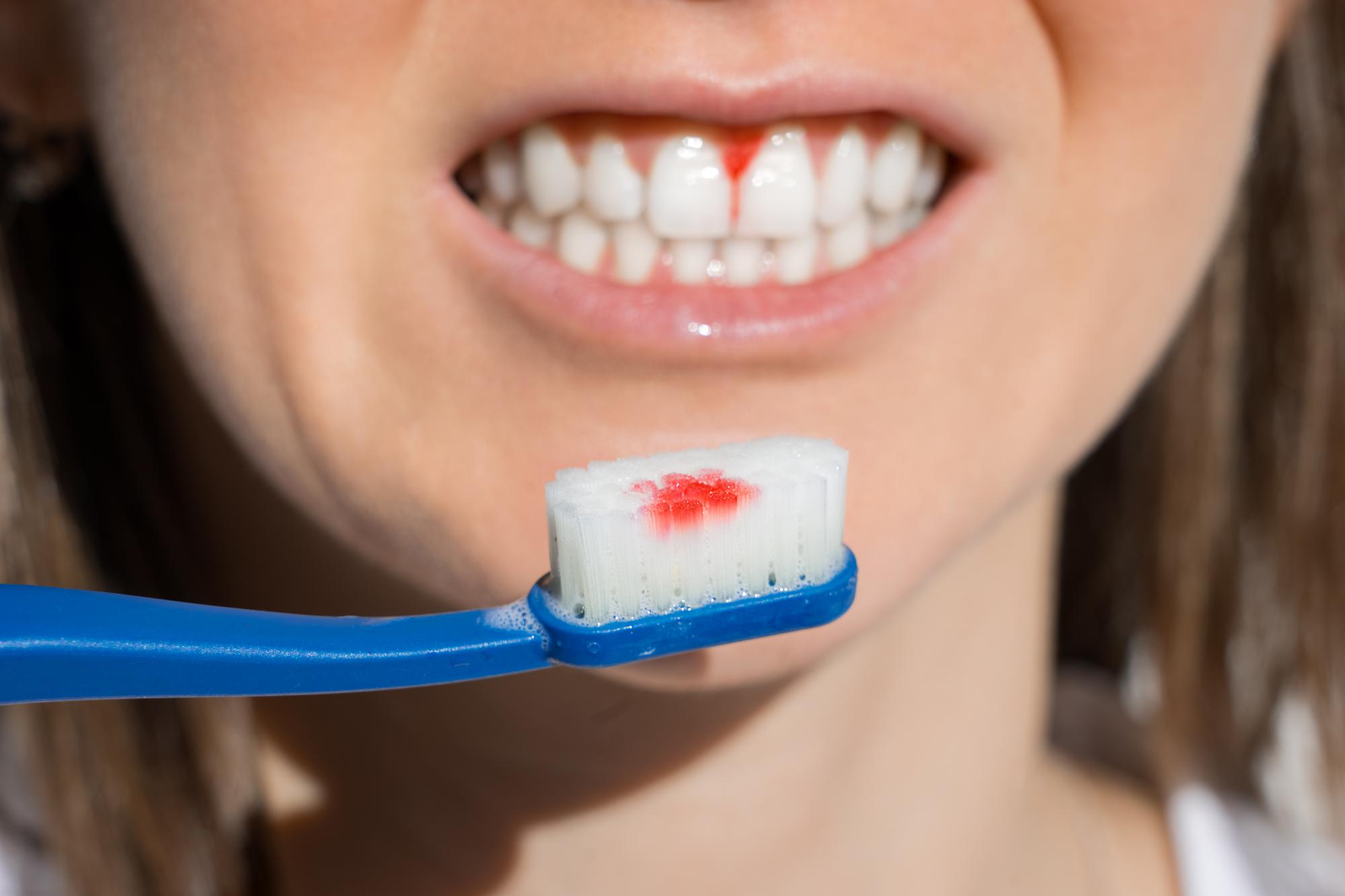
Gum bleeding is defined as sensitivity and bleeding in the gums. This can be an indicator of various health problems. In our blog, symptoms of gum bleeding, diagnostic methods, main causes, risk factors, and effective treatment methods are discussed in detail. Additionally, preventive measures for gum bleeding and expert opinions are mentioned. You can benefit from this information to protect your dental health and prevent possible serious health problems.
Symptoms and Diagnostic Methods of Gum Bleeding
Gum bleeding is generally considered the first sign of gum diseases and is a health problem that many people may ignore but should be taken seriously. The most common symptoms of gum bleeding include bleeding during brushing or flossing. Additionally, other symptoms such as redness, swelling, or sensitivity in your gums may also be observed.
In terms of diagnostic methods, the first step in determining the causes of gum bleeding is a detailed oral health examination. The dentist evaluates the condition of your gums, using special tools to check for plaque build-up or tartar presence. In addition, a special device called a periodontal probe is used to measure the depth of gum pockets to determine the presence and degree of gum disease. This measurement provides important information about gum health and plays a critical role in determining appropriate treatment methods.
If gum bleeding occurs, this can generally be a sign of advanced gum disease, and a gum bleeding treatment process should definitely be initiated. Treatment may vary depending on the diagnosis but usually includes professional dental cleaning, periodontal treatment, or surgical interventions when necessary. Patients should not neglect regular dental check-ups to maintain their gum health and prevent progressive problems.
Main Causes of Gum Bleeding
Gum bleeding is a common health problem that many people face and can stem from various factors. Among the most common causes is inadequate oral hygiene; when teeth are not regularly brushed and flossed, plaque build-up increases in the gums, leading to inflammation and bleeding of the gums.
Another cause is incorrect tooth brushing techniques and the use of excessively hard brushes. If the toothbrush is too hard or if too much force is applied during brushing, the gums can be damaged and start to bleed. Additionally, other factors causing gum bleeding include tobacco product usage, hormonal changes, inadequate nutrition, side effects of various medications, and certain systemic diseases.
The gum bleeding treatment process is generally simple and effective, but first, the underlying cause needs to be correctly diagnosed. Basic treatment methods include adopting better oral hygiene practices, regular dentist visits, and if necessary, medication use. In particular, special toothpastes and mouthwashes that support gum health and reduce inflammation may be recommended.
Risk Factors for Gum Bleeding
Gum bleeding is generally considered a symptom of inflammation in the gums; this condition may indicate a series of health problems called periodontal diseases. Understanding the risk factors associated with gum bleeding is important for taking appropriate preventive measures and determining effective gum bleeding treatment methods.
One of the main risk factors is poor oral hygiene. Not brushing regularly and not using dental floss leads to plaque build-up, causing inflammation of the gums. Smoking also increases the tendency of gum bleeding, as it disrupts the healthy function of gum tissue and makes it more susceptible to infections. Additionally, systemic diseases such as diabetes are important factors that increase the risk of gum bleeding; as such conditions reduce the body's ability to fight infections and trigger inflammatory processes.
When it comes to the gum bleeding treatment process, the most common methods include professional dental cleaning, regular dental check-ups, and oral hygiene practices applied at home. If gum bleeding is a symptom of a more serious periodontal disease, surgical intervention may be necessary. Therefore, being aware of risk factors and taking early precautions is quite vital to prevent these health problems.
Correct Treatment Methods for Gum Bleeding
Treatment approaches for gum bleeding generally include improving personal dental care, controlling dental plaque, and professional dental cleaning treatments when necessary. Periodontal treatment aims to reduce bacterial accumulation around the gums and restore gum health.
Among the main treatment methods that can be applied at home are regularly brushing teeth with the correct technique and using dental floss. However, if gum bleeding continues or worsens, a dentist should definitely be consulted. The doctor may recommend special oral care products or apply more advanced treatment methods depending on the situation. For example, deep dental cleaning, cleaning of gum pockets, or surgical interventions may be recommended if necessary.
Professional treatments for gum bleeding generally include tartar removal performed in the dentist's office, smoothing of root surfaces, and improved oral hygiene practices. These treatments help prevent more serious problems like tooth loss in the future by maintaining gum health. It should be remembered that early diagnosis and regular dental check-ups increase the success of gum bleeding treatment and minimize the risk of permanent damage.
Preventive Measures for Gum Bleeding
It is important to incorporate some simple but effective measures into your life to prevent gum bleeding. Good oral hygiene practice is one of the cornerstones of gum health and should be supported by methods such as regular tooth brushing, flossing, and antiseptic mouthwashes.
Quitting smoking is one of the most important steps to take in preventing gum bleeding. Also, following a balanced and vitamin-rich diet that helps strengthen the immune system and helps the body fight infections is of great importance for gum health.
Stress can increase susceptibility to gum diseases by increasing the body's inflammatory response. Therefore, managing and reducing stress can lower the risk of gum bleeding. Techniques such as adequate sleep, regular exercise, and meditation are very effective in dealing with stress. Seeking professional help in the fight against gum bleeding is important for early diagnosis and determining appropriate gum bleeding treatment methods. Regular dentist visits give the chance to detect and intervene in potential problem areas early.
Expert Opinion and Follow-Up for Gum Bleeding
When we look at the gum bleeding treatment process, it generally includes both a detailed examination and gathering information about the patient's history and lifestyle. This process plays a critical role in determining appropriate treatment methods and creating personalized treatment plans. Experts conduct detailed dental examinations to identify the underlying causes of gum bleeding and can utilize various diagnostic tests to identify issues that arise during these examinations.
Getting expert opinion is essential to properly address the problem of gum bleeding and prepare an effective treatment plan. When evaluating patients' complaints regarding their gums, dentists also consider factors such as the adequacy of oral hygiene, tooth brushing techniques, and dental floss used. This evaluation process is also of great importance in determining the changes that patients need to make in their daily dental care routines, as well as treatment methods.
The patient's response to treatment should be continuously monitored, and changes can be made to the treatment plan if necessary. This monitoring process is critical to increasing the effectiveness of treatment and maintaining gum health. The gum bleeding treatment process not only solves existing problems but also develops strategies for maintaining gum health going forward.
Frequently Asked Questions
What causes gum bleeding?
There can be many causes of gum bleeding. These include inadequate oral hygiene, gum diseases (gingivitis or periodontitis), use of hard brushes, vitamin D deficiency, and certain medical conditions.
Which oral care products should we use to prevent gum bleeding?
To prevent gum bleeding, it may be beneficial to use a soft-bristled toothbrush and fluoride toothpaste that won't harm the gums. Also, regular use of dental floss and antiseptic mouthwashes are recommended for gum health.
Which vitamins are beneficial for gum bleeding?
Vitamin C and vitamin K are important for gum health and can help reduce bleeding. Additionally, vitamin D also plays an important role in maintaining the health of gums and teeth.
When is professional intervention necessary in the treatment of gum bleeding?
If gum bleeding continues despite regular home care, or if there are symptoms such as pain, severe redness, and swelling in the mouth, it is necessary to consult a dentist. Also, it is important to get professional help if the bleeding is very severe or does not stop for a long time.
What should our daily dental care routine be?
Daily dental care routine should include brushing teeth at least twice and using dental floss once a day. Also, regular dental check-ups are important for gum health.
What is periodontitis and how is it related to gum bleeding?
Periodontitis is the inflammation and damage of the gums, which can lead to the weakening of the structures supporting the teeth and tooth loss. Gum bleeding is one of the early symptoms of periodontitis and can cause serious problems if not treated.
What kind of measures can a person experiencing gum bleeding take at home?
Measures to be taken at home include regular and correct tooth brushing techniques, dental floss use, and anti-bacterial mouthwashes. Also, gargling with salt water can help alleviate gum bleeding.