

How to Remove Dental Stains? Why Do Dental Stains Occur?
Content Guide
What Are the Types of Dental Stains? How to Remove Dental Stains Snow-White Teeth: How to Prevent Dental StainsDental stains are one of the factors that most affect the appearance of teeth. Stained teeth that impair dental aesthetics cause people to feel embarrassed when talking and smiling, and negatively affect their self-confidence.
Today, there are many different methods to remove stains on teeth. People have whitening procedures and purchase various care products to prevent yellowing of their teeth. There can be many causes for yellowing and staining of teeth.
Some of these reasons are:
- Diet: Teeth get stained when colored foods and beverages are consumed. Foods such as coffee, tea, red wine, fruit juice, acidic drinks, certain spices, and chocolate cause stains on teeth.
- Smoking: Smoking causes yellowing of teeth.
- Aging: As we age, staining and yellowing of teeth are more easily observed due to the erosion of tooth enamel.
- Antibiotic use: Some antibiotics can cause color changes in tooth enamel.
- Dental injuries: Permanent staining may be seen in case of tooth damage.
- Fluoride deficiency: Fluoride strengthens tooth enamel and prevents tooth decay. In case of fluoride deficiency, yellowing and staining of teeth are observed.
What Are the Types of Dental Stains
There are several different types of dental stains. The treatment method and the degree to which stains can be reduced are understood according to these types. Making lifestyle changes will help reduce stains.
Some of the types of dental stains are:
- Surface stains: Surface stains are stains that form on the enamel layers of teeth. These stains do not form all at once. Yellowing occurs on teeth when the foods we will mention are consumed very frequently and oral care is performed inadequately. They are caused by colored foods such as cigarettes, coffee, tea, red wine, fruit juice, and acidic drinks.
- Tooth decay: Tooth decay occurs as a result of the decay of the enamel, dentin, or other internal structures of the teeth. Tooth decay can be white, brown, or black in color. Decay that negatively affects appearance can be eliminated through filling procedures.
- Fluorosis: Fluorosis is a discoloration condition that occurs in teeth as a result of excessive fluoride intake. Fluoride is used to benefit tooth enamel, but its excessive use can cause staining. Too much of anything is harmful.
- Antibiotic residues: Excessive use of antibiotics can cause permanent yellowing and staining on teeth. It takes time for these yellowings to go away.
- Dental trauma: Impacts to teeth can result in permanent marks. These marks are more difficult to remove.
How to Remove Dental Stains
Most stains on teeth decrease as long as care is provided regularly. It may take a long time for stains and yellowing to disappear. The procedures we will list below are performed to have snow-white, stain-free teeth in a shorter time. The treatment of dental stains varies depending on the cause of the stain and the condition of the tooth.
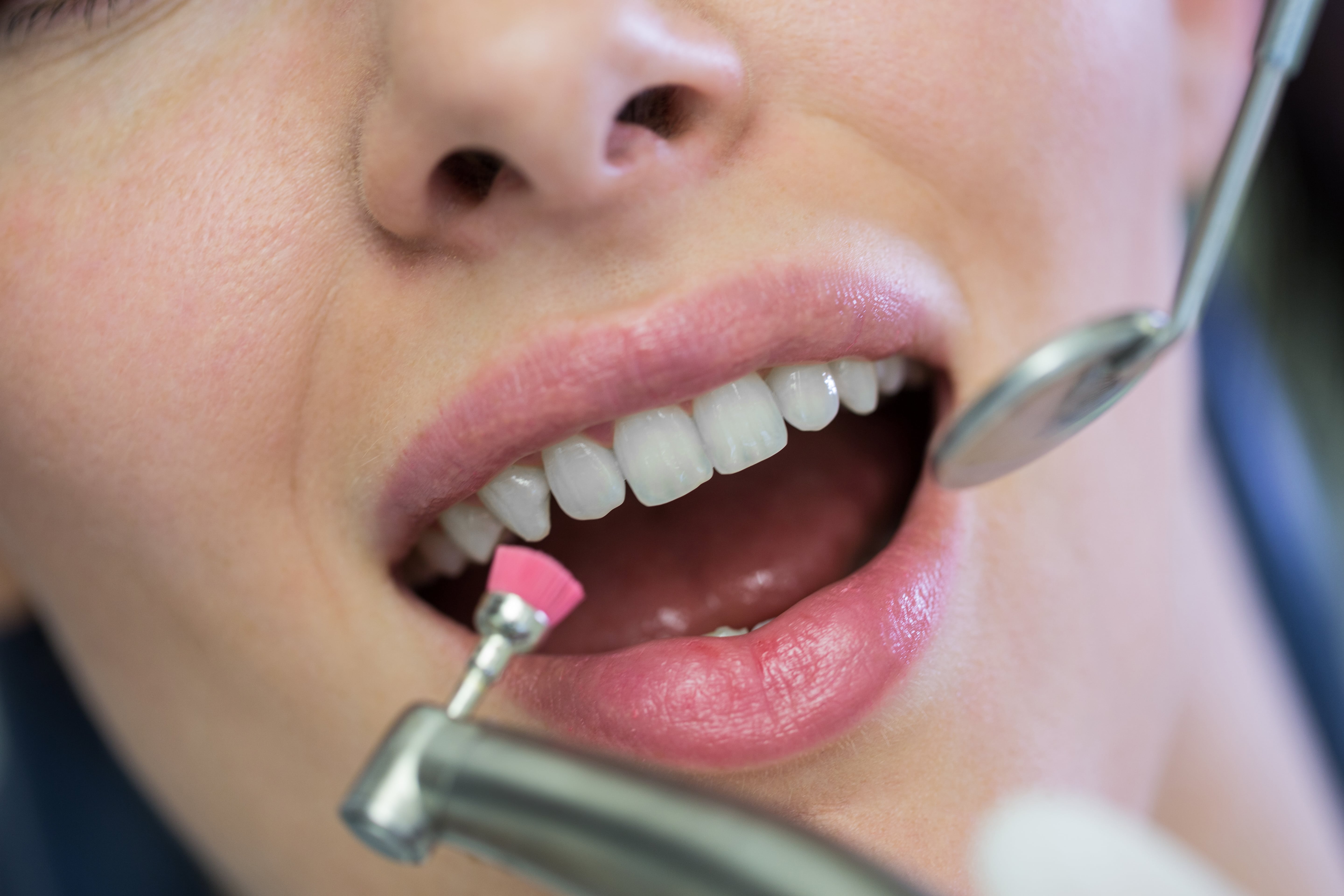
- Professional teeth cleaning: Professional teeth cleaning performed by a dentist prevents black stains and yellowing on teeth. During this procedure, teeth are cleaned using special tools and devices.
- Teeth whitening: Teeth whitening procedures may be preferred to hide yellowing on teeth. During this procedure, color pigments that cause stain formation on teeth are inhibited. Teeth whitening procedures should be performed by an expert dentist.
- Veneer: If brown stains are on the surface of your teeth, the dentist hides the stains that form on the tooth using a thin veneer that is attached to the front surface of the tooth.
- Dental filling: The dentist may apply a filling on the tooth depending on the stain on the tooth. This method repairs the damage the tooth has sustained while also correcting the color of the tooth.
- Cleaning tooth enamel: When performing dental care, stained teeth should be brushed separately. Most toothpastes contain fluoride. Choosing toothpastes containing fluoride will reduce staining that occurs on the tooth surface.
In addition to these methods, the best way to prevent stains on teeth is to maintain good dental hygiene and stay away from foods that damage teeth. The treatment of dental stains should be determined by a dentist depending on the cause of the stain and the condition of the tooth.
Snow-White Teeth: How to Prevent Dental Stains
To prevent the formation and progression of dental stains, attention should be paid to oral hygiene and care, and some foods and beverages should be avoided. Teeth should be brushed after eating, and this routine should never be neglected.
- Maintain good dental care: Regular dental care is very important. Teeth that are regularly brushed and flossed experience less yellowing. Thus, dental hygiene and oral health are preserved.
- Eat healthy: Staying away from sugary, acidic, and colored foods as much as possible will minimize stain formation on teeth.
- Don't smoke: Smoking can cause yellowing and stains on teeth. Avoiding smoking will be good for your dental health.
- Use fluoride: Choosing toothpaste and mouthwash that contain fluoride will ensure the protection of tooth enamel and minimize the possibility of teeth damage.
- Go for dental check-ups: Teeth need to be checked by a dentist at certain intervals. Teeth that are regularly checked by a dentist experience less staining and yellowing.
- Dental trauma: Dental injuries can cause permanent stains on teeth. Therefore, protective mouthguards should be used when participating in sports that could damage teeth, and bad habits such as clenching or grinding teeth should be avoided.
If you want the yellowing and stains on your teeth to disappear "Teeth whitening methods" you can check out our article.