

Content Guide
What is Teeth Whitening and How is it Applied? Teeth Whitening Methods: Home and Clinical Applications Preparation Phase Before Teeth Whitening Treatment Things to Consider After Teeth Whitening Positive Results of the Teeth Whitening Process Side Effects of Teeth Whitening and Their Solutions Frequently Asked QuestionsTeeth whitening is an aesthetic procedure performed to achieve a lighter shade than the natural color of teeth. This procedure is divided into two categories: methods applied at home and treatments performed in clinical settings. Before teeth whitening, the condition of the patient's teeth is evaluated and an appropriate treatment plan is prepared. After the teeth whitening procedure, there are some important points to consider. Additionally, teeth whitening may have some side effects as well as positive results, and it is possible to find solutions for these side effects. In this article, we provide comprehensive information about teeth whitening to our visitors.
What is Teeth Whitening and How is it Applied?
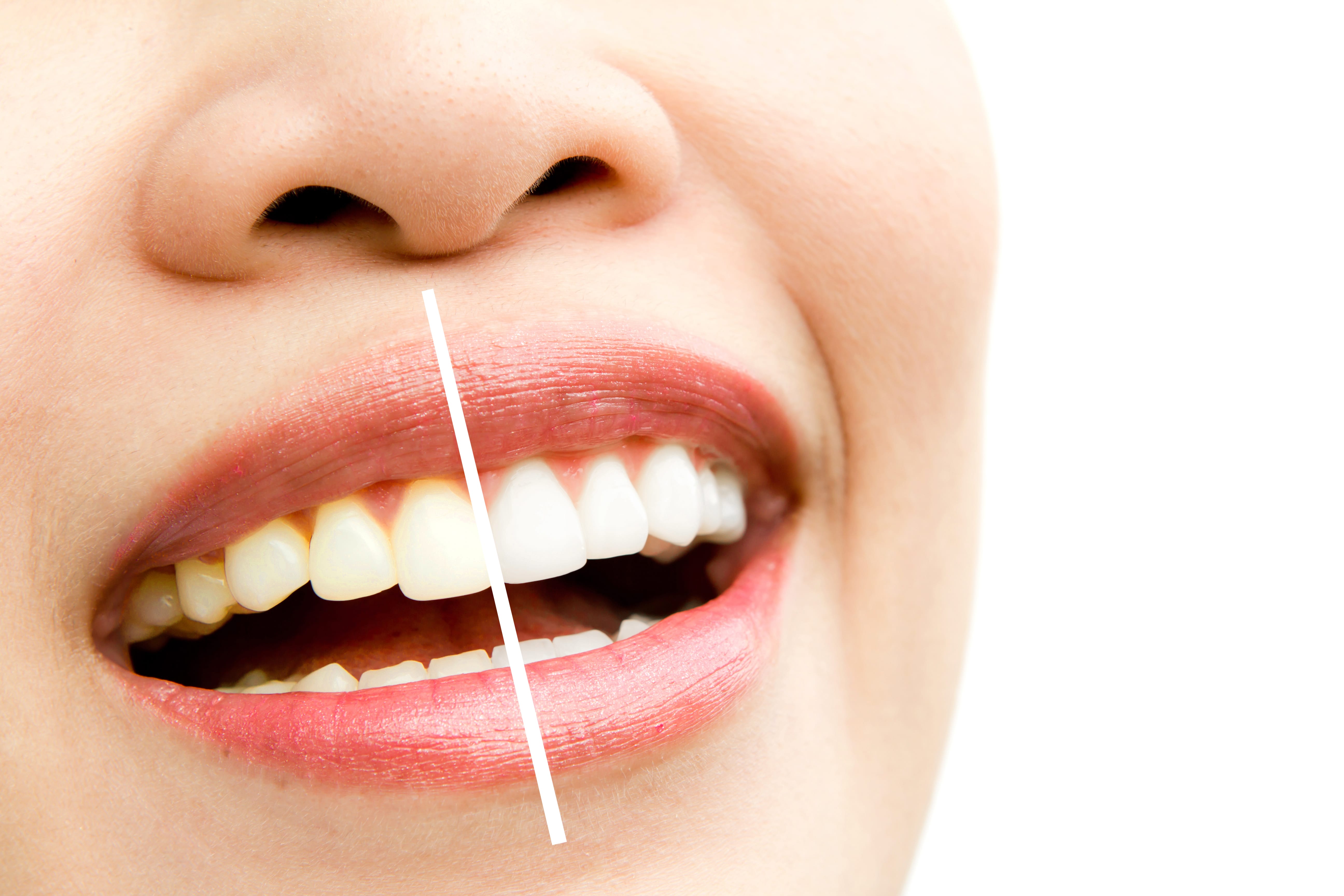
Teeth whitening is a cosmetic procedure applied to remove color changes and stains on teeth. This method can be preferred for both aesthetic concerns and health reasons. Most people desire to have brighter and whiter teeth, as this generally means a more attractive smile.
Teeth whitening procedure is generally applied in two different ways: whitening at home and in a clinical setting. Home teeth whitening can be applied by individuals themselves, while professional teeth whitening is performed under the supervision of a dentist. Both methods have their own advantages and application processes.
Home applicable teeth whitening methods include whitening toothpastes, whitening gels, and whitening strips. Professional methods, on the other hand, are generally designed to achieve more effective results in a shorter time using stronger whitening agents under the control of a dentist. In both cases, there are things to consider before and after the teeth whitening procedure.
Teeth Whitening Methods: Home and Clinical Applications
Teeth whitening has become an important part of both aesthetic and personal care routines over time. This process aims to lighten the shade of teeth and achieve a brighter smile. Among teeth whitening methods, there are techniques that can be applied at home as well as techniques applied by experts in a clinical setting.
Home teeth whitening techniques generally appear in the form of whitening toothpastes, whitening strips, or home-type whitening kits. Although the use of these products is quite simple, there are some points that require attention during the application processes. For example, whitening toothpastes can provide noticeable whiteness when used regularly, but may damage tooth enamel due to acid content. When using whitening strips, attention should be paid to gum sensitivity.
Clinical teeth whitening procedures generally offer more effective and faster results. These procedures performed by experts are carried out using special light sources and stronger whitening agents. Teeth whitening procedure performed in a clinical setting can generally be completed in a single session and shows long-term effects. However, the cost of this method may be higher compared to home applications and may cause tooth sensitivity in some cases.
| Method | Application Place | Advantages | Disadvantages |
| Home Teeth Whitening Kits | Home | Economical, easy to use | May be less effective, tooth sensitivity |
| Clinical Teeth Whitening | Clinic | Quick and effective results, under expert control | Costly, sometimes sensitivity |
Preparation Phase Before Teeth Whitening Treatment
Teeth Whitening has several important points to consider before starting the procedure. This preparation phase is critical to increase the effectiveness of the procedure and minimize possible side effects. First, a complete dental examination should be performed by a dentist to determine whether the oral and dental health of the person who will undergo the teeth whitening procedure is appropriate.
The dentist ensures that the teeth are ready for the teeth whitening procedure by completing processes such as cleaning plaque and tartar on the teeth and treating cavities. Additionally, gum health is extremely important for this procedure; any existing problem in the gums can cause pain or gum recession during the procedure. Therefore, it should be ensured that the gums are healthy before starting teeth whitening.
Besides these, patients need to be conscious about the food and beverages taken before the teeth whitening procedure. Especially dark-colored foods and acidic beverages can cause staining on the surface of the teeth. Therefore, limiting dark-colored foods from the diet before the procedure can increase the effectiveness of the procedure. Drinking plenty of water and paying attention to oral hygiene during this preliminary preparation period will help create an ideal environment for the teeth whitening procedure.
Things to Consider After Teeth Whitening
Teeth whitening has some important points to consider after the procedure. Following certain rules is vital to preserve the new and bright appearance of your teeth after the application.
First, the first 48 hours after teeth whitening are quite critical. During this time, the pores in your teeth are more open, so it is necessary to stay away from foods and beverages that can change color. It is especially important to avoid dark-colored beverages such as coffee, tea, red wine; and foods containing intense pigments such as soy sauce and mustard. Also, cigarettes and other tobacco products should not be used during this period as they cause yellowing of the teeth.
Teeth whitening taking care of your teeth after the procedure increases the effectiveness and permanence of the procedure. You should review your tooth brushing habits and brush your teeth at least twice a day with a soft toothbrush. Additionally, regular dental check-ups and professional cleanings are important for your dental health and aesthetics.
Positive Results of the Teeth Whitening Process
Getting rid of the marks left on the teeth by substances such as tea, coffee, and cigarettes consumed in daily life and having a whiter, brighter smile is possible thanks to teeth whitening methods. This process not only helps teeth regain their old brightness but also allows individuals to increase their self-confidence.
Teeth whitening After the procedure, many people report that the color of their teeth has significantly lightened and their teeth look healthier. This makes them feel more comfortable during social interaction and communication.
Medical studies and surveys indicate that people who undergo teeth whitening procedures experience positive changes in their work and private lives as well as psychological and social benefits. Having whiter teeth helps people look younger and more dynamic, which gives them an advantage especially in business life and daily social relationships.
Side Effects of Teeth Whitening and Their Solutions
Teeth whitening procedures are increasingly preferred with the desire to have an attractive and bright smile, but it should not be ignored that these procedures may have some side effects. Although teeth whitening procedures are generally safe, some individuals may experience sensitivity and other temporary problems. The most common side effect after teeth whitening is that the treated teeth develop temporary sensitivity to cold or hot food and beverages. This sensitivity usually disappears within a few days after the procedure.
Apart from sensitivity, teeth whitening chemicals can cause irritation in the gums in some people. This situation usually occurs as a result of the whitening substance coming into contact with the gums and can be alleviated by reducing the pressure on the gums. For users experiencing gum irritation, the dentist can apply special droppers or barriers that will protect the gums during the procedure. Also, reducing the concentration of the whitening substance used can be effective in reducing the severity of such side effects.
In some rare cases, the powerful chemicals used during teeth whitening procedures can make micro-cracks in the teeth more prominent. To prevent such situations, undergoing a complete dental examination before starting the teeth whitening procedure identifies potential problems in the teeth and ensures appropriate precautions are taken. Regularly consulting with your dentist and maintaining recommended dental care routines plays a critical role in maximizing the results to be obtained from the teeth whitening procedure while minimizing risks.
Frequently Asked Questions
What is teeth whitening?
Teeth whitening is a cosmetic treatment applied to remove stains and yellowing on the teeth. Generally, the natural color of the teeth is lightened by a few shades using peroxide-based chemicals.
What are teeth whitening methods?
Teeth whitening methods include strips applied at home, gel-filled trays, and toothpastes, as well as professional dental applications. Professional methods include laser whitening or office-type whitening sessions.
Is teeth whitening procedure safe?
Teeth whitening procedures are generally safe. However, factors such as the quality of the materials used, the correct application of the procedure, and individual health conditions can affect the safety of the treatment. Whitening performed under the supervision of a dentist is safer.
What should be considered after teeth whitening?
After teeth whitening, dyeing beverages and foods such as coffee, tea, wine should be avoided within the first 24 hours, and smoking should be avoided. Also, temporary sensitivity may occur in the teeth; in this case, products recommended by the doctor can be used.
Are home teeth whitening kits effective?
Home teeth whitening kits can be effective when used correctly and applied regularly. However, these kits are less likely to deliver results as quickly and effectively as professional dental applications.
Is teeth whitening permanent?
The effects of teeth whitening procedures are not permanent. Teeth may change color again over time. However, to maintain the whiteness of the teeth for a long time, regular oral care should be performed and the whitening procedure may need to be renewed at certain intervals.
Can teeth whitening be applied during pregnancy?
Teeth whitening is not recommended during pregnancy. Since medical or cosmetic procedures performed during pregnancy can have negative effects on the fetus, it would be more appropriate to complete the pregnancy period and then have a teeth whitening procedure.