

Content Guide
What is Prosthetic Dental Treatment? Who are the Right Candidates for Prosthetic Dental Treatment? What are the Different Methods of Prosthetic Dental Treatment? Important Steps for Prosthetic Dental TreatmentProsthetic dental treatment is a treatment method used to improve the health and appearance of teeth. This treatment is applied to individuals who have problems such as decay, fractures, missing teeth, or discoloration. The right candidates for prosthetic dental treatment are those who have these problems and pay attention to their oral hygiene. There are different methods of this treatment, including porcelain veneers, implants, and prostheses. Important steps for prosthetic dental treatment include examination by the dentist, creating a treatment plan, and ensuring communication with the patient. After the treatment, it is important for patients to continue regular dental care and pay attention to dental health.
What is Prosthetic Dental Treatment?
Prosthetic dental treatment is a treatment method applied for repairing and aesthetically correcting teeth that have been lost or damaged for various reasons. For these important treatments to be performed most effectively, it is of great importance for patients to consult a specialized Dental Hospital. This treatment is carried out under the guidance of a specialized dentist, and a treatment plan is created specifically for the patient.
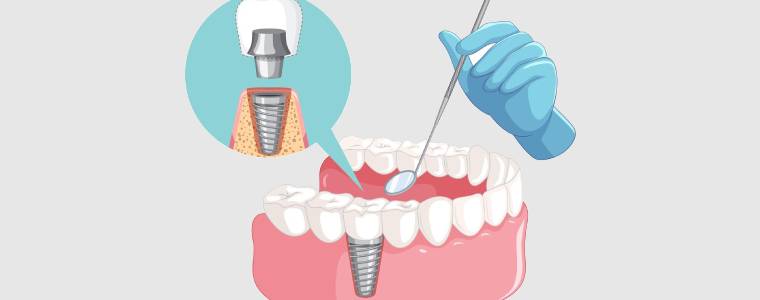
Prosthetic dental treatment includes different methods used for replacing decayed, broken, worn, or missing teeth. These methods include options such as porcelain veneers, zirconium veneers, dental implants, fixed bridges, and prostheses.
The right candidates for prosthetic dental treatment are individuals who experience aesthetic or functional problems with their teeth. For example, individuals with discoloration of dental enamel or problems with the size, shape, or alignment of teeth can benefit from prosthetic dental treatment. Additionally, individuals whose basic functions such as chewing or speaking are affected due to tooth loss are also suitable candidates for this treatment.
- What is Prosthetic Dental Treatment?
- Who are the Right Candidates for Prosthetic Dental Treatment?
- What are the Different Methods of Prosthetic Dental Treatment?
- Important Steps for Prosthetic Dental Treatment
- What to Pay Attention to After Prosthetic Dental Treatment?
Who are the Right Candidates for Prosthetic Dental Treatment?
Prosthetic dental treatment is a treatment method performed to restore teeth or replace missing teeth. When there are problems such as decay, cracks, or fractures in the teeth, these problems are resolved using prosthetic teeth, and oral health is improved.
The right candidates for prosthetic dental treatment are individuals who have decay, fractures, or missing teeth. Additionally, people who have problems with chewing and speaking functions or who want to have an aesthetic smile can also benefit from this treatment method. Prosthetic dental treatment can be applied to anyone who wants to improve their oral health and achieve a beautiful smile.
There are different methods of prosthetic dental treatment. These include fixed prostheses, removable prostheses, and implant-supported prostheses. Fixed prostheses are porcelain or metal restorations placed on teeth. Removable prostheses are prostheses used to replace missing teeth and can be removed from the mouth. Implant-supported prostheses are prostheses supported by titanium implants and offer a more stable solution.
- It is important to have good gum health before consulting a dentist.
- Gum diseases or infections in the mouth should be treated.
-
It is necessary to have a suitable bone structure for lost teeth.
Important Steps for Prosthetic Dental Treatment Step 1: A treatment plan is created after the dentist's examination. Step 2: Necessary preparation procedures are performed to replace missing teeth. Step 3: Prosthetic teeth or implants are applied by the dentist. Step 4: Follow-up controls are performed and necessary adjustments are made. Step 5: The patient is informed about dental care and cleaning. What are the Different Methods of Prosthetic Dental Treatment?
Prosthetic dental treatment is a dental treatment method that helps improve the shape, size, color, and appearance of teeth. This treatment aims to repair teeth that have been damaged, broken, or lost for various reasons. Prosthetic teeth are a solution used to replace missing teeth and help provide the same function as natural teeth.
1. Complete Dentures: Complete dentures are a treatment method used when a person has lost all their teeth. These prostheses are an apparatus placed in the oral cavity that contains artificial teeth to fulfill the functions of natural teeth. Complete dentures are used to provide an aesthetic smile and restore chewing function.
2. Partial Dentures: Partial dentures are a treatment method used when a person has lost some of their teeth. These prostheses are used to replace missing teeth and are fixed on healthy teeth. Partial dentures are used to fulfill the functions of natural teeth and provide an aesthetic appearance.
Important Steps for Prosthetic Dental Treatment
Prosthetic dental treatment is a treatment process that enables aesthetic and functional restoration of teeth. This treatment aims to repair teeth damaged as a result of decay, fractures, or other problems. Prosthetic dental treatment includes important steps both to achieve a healthy smile and to protect oral health.
The first step in a prosthetic dental treatment process is to consult a dentist for a comprehensive examination. During this examination, the condition of the teeth is evaluated, and the necessary treatment plan is determined. Then, procedures such as dental fillings required for healing decayed or broken teeth are performed.
The next important step is for the dentist to draw up a suitable plan for prosthetic dental treatment. During this planning process, treatment methods are determined by considering the patient's dental structure and needs. When deciding on the prosthetic treatment to be performed, a decision is made on how the patient's teeth need restoration and which method is most suitable.
- Prostheses: Prostheses used to replace missing teeth. Prostheses can be fixed or removable. Fixed prostheses are combined with other teeth by being placed on implants or supporting teeth.
- Veneers: Porcelain or ceramic veneers placed on teeth. Veneers are used to improve the shape and color harmony of teeth.
- Implants: Used by placing artificial tooth roots to replace missing teeth. In this method, the osseointegration process of implants occurs, and they fuse with the bone they are placed in.
The next step of the treatment is making the prosthetic tooth. At this stage, the preparation of prosthetic teeth in a laboratory environment and their placement in accordance with the patient's oral structure are ensured. Prosthetic teeth are then applied to the patient, final checks are made, and they are made suitable.
Important Steps for Prosthetic Dental Treatment: – Consulting a dentist for examination – Performing necessary treatment procedures such as dental fillings – Making appropriate planning for prosthetic treatment – Making the necessary selection of prosthesis, veneer, or implant – Preparing and placing prosthetic teeth What to Pay Attention to After Prosthetic Dental Treatment?
After prosthetic dental treatment, it is very important to take proper care. This treatment is a method applied to correct various problems that occur in teeth. However, there are some steps you need to be careful about after treatment. First, you should pay attention to oral hygiene as recommended by your dentist. You should continue your daily oral care habits such as brushing your teeth, using dental floss, and using mouthwash.
Second, you should avoid hard and sticky foods. Such foods can damage your prosthetic teeth or cause them to come out. For example, hard-shelled foods or sticky foods like gum can damage prosthetic teeth. Therefore, it is important to prefer soft and easily chewed foods. It is also important to be careful when consuming hot and cold foods or drinks.
Third, you should go to your dentist for periodic check-ups. Your dentist will perform regular check-ups to check the condition of your prosthetic teeth and make adjustments if necessary. These check-ups will help your prosthetic teeth last longer and be more comfortable. It is important to regularly follow up on your check-up appointments.
| Things to Pay Attention to After Prosthetic Dental Treatment |
|---|
| Pay attention to oral hygiene: You should continue your oral care habits such as brushing your teeth, using dental floss, and using mouthwash as recommended by your dentist. |
| Avoid hard and sticky foods: You should stay away from hard and sticky foods that can damage your prosthetic teeth or cause them to come out. You should prefer soft and easily chewed foods. You should be careful with hot and cold foods. |
| Follow periodic check-ups: You should regularly go to your dentist for check-ups. These check-ups are important for checking the condition of your prosthetic teeth and making adjustments. |
Frequently Asked Questions