

What Should Lip-Tooth Harmony Be Like? Aesthetic Smile Analysis
Content Guide
What is Lip-Tooth Harmony? How is Aesthetic Smile Analysis Performed? Why is Lip-Tooth Harmony Important?An aesthetic smile is not just about white and straight teeth. When the shape of the lips, gum level, smile width, and tooth alignment are evaluated as a whole, an ideal smile design emerges. This is why lip-tooth harmony is one of the most important building blocks of aesthetic dentistry. When planning smile design, the golden ratios of the face, lip movements, and the visibility of teeth are analyzed together. This creates a smile that is both natural and harmonious with facial features.
What is Lip-Tooth Harmony?
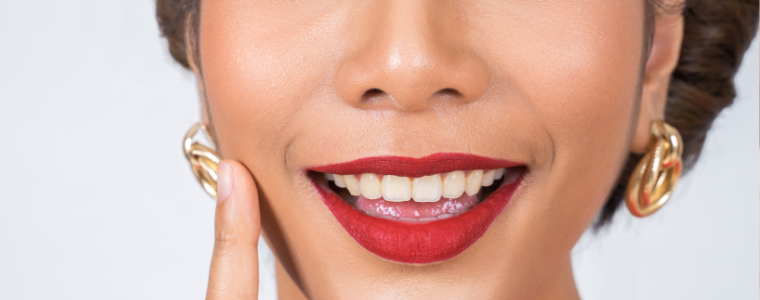
Lip-tooth harmony refers to the balance created by the teeth with the lip line during a smile. The main elements determining this balance are as follows:
- How much of the teeth are visible during a smile
- The opening amount of the lips
- Gum visibility
- The length, position, and form of the teeth
- The thickness and symmetry of the lips
The lips serve as a border that frames the teeth. The regularity of this frame directly affects the aesthetic perception of the teeth.
How is Aesthetic Smile Analysis Performed?
When creating smile design, both facial proportions and intraoral elements are evaluated together. Here are the main topics examined during analysis:
-
Lip Position and Movement
During a smile, the upper lip rises an average of 6-8 mm. As a result of this movement:
- All upper incisors should be visible
- The lower lip should naturally follow the incisal edge of the upper teeth with a curve
In the resting position, 1-3 mm visibility of the upper front teeth is an indicator of a youthful and natural appearance.
-
Smile Width and Smile Corridor
Smile width refers to how much the lips open from right to left. The goal in an aesthetic smile is:
- Natural visibility of front and side teeth
- Minimizing the dark lateral spaces called "buccal corridor"
As the smile corridor decreases, a more fuller and aesthetic smile is achieved.
-
Amount of Tooth Display
The visibility of teeth is one of the most critical points of lip-tooth harmony.
- When speaking, 70-80% of the upper teeth should be visible
- During smiling, the upper teeth are completely visible
- Lower teeth are less visible, especially in the resting state, minimal visibility of lower teeth is normal
This ratio can vary depending on the person's age, lip thickness, and facial muscle activity.
-
Tooth Length, Form, and Proportions
The dimensions of the teeth should be parallel to the lip line and support the smile line. Technical ratios:
- Upper central incisors should ideally be 10-12 mm in length
- Lateral incisors should be 1-1.5 mm shorter than the centrals
- The width-to-height ratio of teeth should be approximately 75-85%
These proportions create a natural smile that conforms to the golden ratio of the face.
-
Gum Visibility (Gummy Smile Analysis)
Gum visibility of 0-2 mm during a smile is considered normal. More than 2 mm of gum visibility is aesthetically referred to as "gummy smile." When gum levels are irregular:
- Gingivectomy
- Laser gum contouring
- Lip botox
- Orthodontic treatment
Pink aesthetics can be achieved through methods such as these.
-
Lip Thickness and Volume
The fullness of the lips is an important element affecting the visibility of teeth.
- Thin lips bring teeth more to the forefront
- Full lips make the smile appear softer and more balanced
When necessary, lip volume can be supported with aesthetic touches.
The following aesthetic applications are preferred to balance the lip-tooth relationship:
- Porcelain Veneers and Zirconia Crowns
Tooth length, form, and color are regulated.
- Teeth Whitening
Teeth appear cleaner and more vibrant within the lip frame.
- Orthodontic Treatment or Clear Aligners
Tooth alignment is corrected to optimize lip-tooth harmony.
- Gum Aesthetics
Gummy smile and gum asymmetry are eliminated.
- Lip Aesthetics and Vertical Dimension Adjustments
The lip-tooth distance is made more balanced.
Why is Lip-Tooth Harmony Important?
A properly planned aesthetic smile:
- Makes the face look younger
- Makes the lip line more symmetrical
- Ensures teeth appear more aesthetic
- Softens the person's overall expression
- Increases self-confidence
The main purpose of smile design is to achieve perfect harmony between teeth - lips - gums - facial features. Aesthetic smile design requires personalized planning by correctly analyzing the relationship between lips and teeth. When lip position, tooth proportions, gum levels, and smile width are evaluated together, a natural, balanced, and facially harmonious smile is achieved. If you want a more aesthetic, symmetrical smile that suits your face, lip-tooth harmony analysis should begin with a professional evaluation.