

Who Is Restorative Dental Treatment Suitable For?
Content Guide
What Is the Process of Restorative Dental Treatment What Are the Methods Used in Restorative Dental Treatment Why Is Restorative Dental Treatment Preferred What Should Be Considered After Restorative Dental TreatmentRestorative dental treatment, is applied to patients with tooth decay, fractures, cracks, wear, and deformities. This treatment is performed based on individuals who have aesthetic disorders in tooth tissues and problems with tooth color. It can be applied to people of all ages who have the problems we mentioned in their teeth.
Teeth are very important for an aesthetic appearance. A patient who has lost a tooth for any reason regains the smile aesthetics lost due to tooth loss or damage through restorative dental treatment. They achieve a beautiful appearance aesthetically. This eliminates the patient's aesthetic concerns.
Restorative dental treatment is especially recommended in the following situations:
- Tooth decay: Tooth decay is the deterioration of the enamel and dentin layer of the tooth. This problem is resolved with fillings or crowns.
- Fractured teeth: Fractured or cracked teeth may affect all or part of the tooth. This problem is solved with methods such as crowns.
- Tooth wear: Tooth wear is damage to the tooth structure due to certain reasons. This condition can be treated with filling or crown procedures.
- Missing teeth: Missing teeth can be replaced with implants, bridges, or dentures.
- Aesthetic problems: Restorative dental treatment is used to improve the appearance of stained, yellowed, and deformed teeth.
Restorative dental treatment is a versatile treatment that addresses various dental problems. The dentist who will apply this treatment recommends treatment suitable for each patient's special needs and goals.
What Is the Process of Restorative Dental Treatment
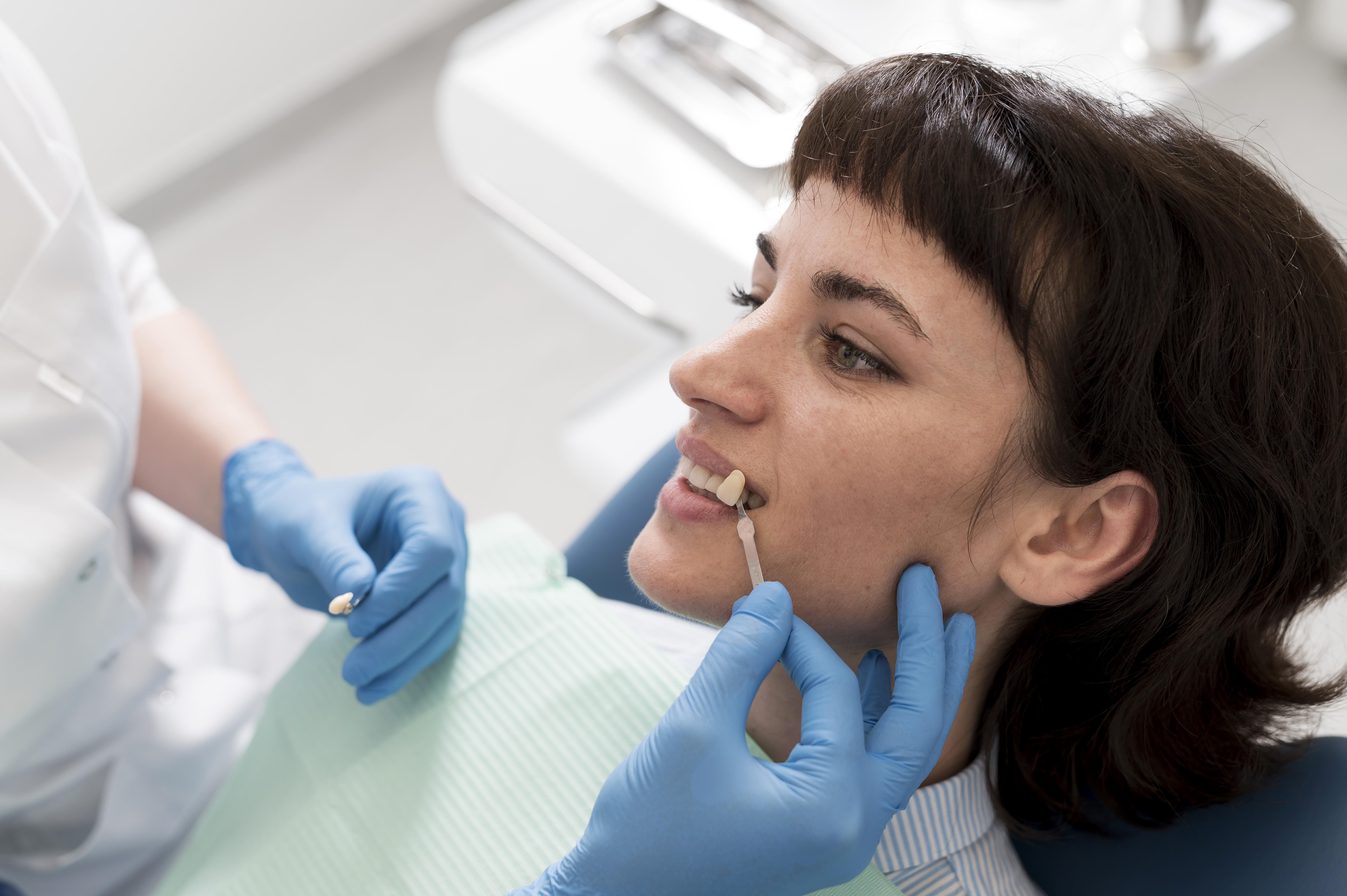
Restorative dental treatment, refers to a series of dental procedures aimed at restoring damaged, decayed, or missing teeth to their original form and function. It is preferred by patients experiencing these problems. Restorative dental treatment should be performed by a dentist.
The restorative dental treatment process consists of the following steps:
- Examination: The dentist examines the teeth to identify traumatized and decayed teeth. X-rays or other imaging methods are used when identifying unhealthy, damaged teeth.
- Treatment Planning: The dentist prepares a treatment plan based on the X-ray results and presents to the patient what will be done during the treatment process. This plan includes which treatment options are suitable for the patient, the duration of treatment, and the cost.
- Preparation: The dentist performs the necessary procedures to prepare the teeth for treatment. These procedures include cleaning the decayed parts of the tooth, shaping the tooth, and preparing the prosthesis to replace the lost tooth.
- Treatment: The dentist presents treatment options that can be applied to the patient. Treatment options may include various procedures such as fillings, crowns, bridges, implants, and prostheses. Treatment duration may vary depending on the type and characteristics of the prosthesis.
- Follow-up: After the procedure, the dentist should regularly check the treated teeth. The patient should attend appointments regularly, and should definitely not miss them. Examination is very important for protecting the teeth and detecting potential problems in advance.
What Are the Methods Used in Restorative Dental Treatment
Treatment methods are quite diverse. These methods are as follows:
- Fillings: Used to restore decayed or slightly damaged teeth. The filling ensures that the area is filled after the decayed and damaged part of the tooth is removed. Different types of fillings such as composite resin fillings, amalgam, and porcelain fillings are preferred.
- Crowns: A dental restoration that covers a damaged or decayed tooth. Crowns can be made from porcelain, metal, or a combination of both materials.
- Bridges: The problem is resolved by attaching an artificial tooth to the area teeth or dental implants of the problematic tooth.
- Implants: A surgical operation that involves placing a small titanium post to support a tooth or bridge. The screw and prosthesis placed in place of the missing tooth are placed in the jawbones. Implants can have very natural appearances.
- Prosthesis: Artificial tooth or teeth used to replace missing teeth. Prostheses can be used as supporting teeth and can be fixed.
Restorative dental treatment aims to improve the function, appearance, and health of teeth and gums. It helps prevent further damage to teeth. Thanks to this treatment, the patient's ability to eat, speak, and smile comfortably is restored.
The path to follow in treatment depends on the condition and location of the dental problem, the patient's health, and preferences. The dentist selects the most appropriate treatment option after a comprehensive assessment of the patient's dental condition.
Why Is Restorative Dental Treatment Preferred
Restorative dental treatment is preferred for various reasons. Some of these reasons are:
- Improved Functionality: Restorative dental treatment aims to restore the function of damaged or lost teeth. Restoring the function of teeth leads to an increase in quality of life by enabling patients to eat and speak properly.
- Improved Aesthetics: Restorative dental treatment aims to improve the appearance of damaged teeth. It ensures that the patient's smile is beautified by restoring the shape, size, and color of the teeth to their original state. This way, there is an increase in the patient's self-confidence.
- Preventing Damage: Restorative dental treatment repairs cavities, cracks, and fractures, and composite fillings are usually placed in place of missing teeth. This prevents further damage to the teeth.
- Longevity: In restorative dental treatment, durable materials are used that can last for many years and provide healthy results.
- Preservation of Natural Teeth: The treatment aims to preserve the natural tooth structure as much as possible. This preserves the health and originality of the teeth.
Restorative dental treatment improves both the functionality and appearance of teeth. It helps prevent further damage. It is preferred by most people because it provides long-term results and can protect natural teeth.
What Should Be Considered After Restorative Dental Treatment
After restorative dental treatment, there are some things that need to be considered to ensure the teeth last longer and to maintain general dental health.
Some of the things to consider are:
- Following instructions: The dentist will provide some instructions to be followed after restorative dental treatment. These instructions may include avoiding certain foods and beverages, taking medication, or using a special mouthwash.
It is very important to carefully follow and apply these instructions to ensure healing and avoid any problems.
- Paying attention to oral hygiene: Teeth should be brushed regularly and floss should be used as recommended by the dentist to prevent plaque formation and tooth decay. The treated area should be treated gently, avoiding too much pressure.
- Avoiding hard and sticky foods: After restorative dental treatment, it is very important to avoid hard and sticky foods that could damage or dislodge the treated tooth/teeth.
Care should be taken when biting hard objects, and when eating something, it should be chewed with untreated teeth.
- Going to dental check-ups: It is very important to regularly go to dental check-ups to ensure the longevity of the procedure and to prevent potential problems.
- Using mouthguards: Mouthguards should be used during sports to prevent damage to teeth. It is also important for people who grind their teeth while sleeping to wear a custom-designed mouthguard to prevent damage to their teeth.
If the items we mentioned above are taken into consideration and applied, the success and lifespan of restorative dental treatment will increase.
Contact you can get detailed information about restorative dental treatment from our page, and you can follow our blog page where similar content is shared.